
How we earn our money
We finance our services on how-to-germany.com through affiliate programs.
When a user orders a financial product through our site and their application is approved, we may receive a commission from some providers. It’s important to note that this does not in any way influence our independent ratings and recommendations.
All the products we present on how-to-germany.com are selected for their quality, range of services, and excellent value for money.
Schufa Explained for Expats
 Written by
Janine El-Saghir
Janine El Saghir is an editor at How-to-Germany.com, where she specializes in the practical aspects of daily life and integration for expatriates. With years of...
Written by
Janine El-Saghir
Janine El Saghir is an editor at How-to-Germany.com, where she specializes in the practical aspects of daily life and integration for expatriates. With years of...
 Reviewed by
Erkan Boga
Erkan Boga is the founder and CEO of qmedia GmbH, the publishing house behind How-to-Germany.com. He established the platform with the clear vision of creating...
Reviewed by
Erkan Boga
Erkan Boga is the founder and CEO of qmedia GmbH, the publishing house behind How-to-Germany.com. He established the platform with the clear vision of creating...
 Edited by
Sadie Voss
Content Lead & Editor
Sadie Voss is the Lead Editor for How-to-Germany.com. As an expat who carved her own way into Berlin from the United States, Sadie is deeply...
Edited by
Sadie Voss
Content Lead & Editor
Sadie Voss is the Lead Editor for How-to-Germany.com. As an expat who carved her own way into Berlin from the United States, Sadie is deeply...
- What is Schufa? Germany’s main credit reporting agency. It stores credit-related data and provides creditworthiness information used by landlords, banks, telecoms, utility providers, and retailers.
- Why does it matter? Your Schufa record can affect your ability to rent an apartment, open a bank account, get a postpaid mobile contract, apply for a loan, or qualify for a German credit card.
- New 2026 score system: Since March 17, 2026, SCHUFA uses a unified points-based score from 100 to 999 points. The old percentage-based Basisscore and separate industry-specific scores have been replaced.
- No Schufa history? New arrivals often have no or very limited Schufa record. That is not the same as a bad Schufa, but it can still make renting, credit cards, and contracts harder.
- Free access: Under Art. 15 GDPR, you can request a free SCHUFA data copy at reasonable intervals. It is not legally limited to exactly once per year.
- Expat reality: A stable German address, verified identity, long-running bank account, clean payments, and avoiding too many applications can help your score develop over time.

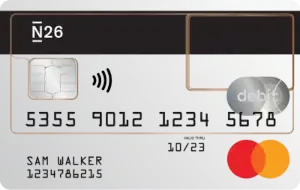
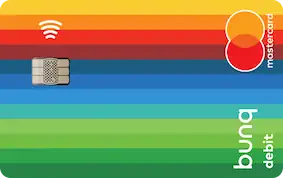
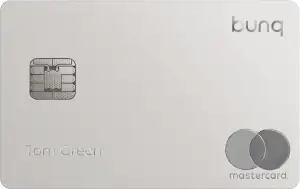
Advertising notice: provider links in this overview are affiliate links — we receive a commission from the provider for sign-ups made through them.
Advertising notice: provider links in this overview are affiliate links — we receive a commission from the provider for sign-ups made through them.
What Is the Schufa?
The term Schufa stands for Schutzgemeinschaft für allgemeine Kreditsicherung. It is Germany’s leading credit bureau. Its primary role is to assess creditworthiness and help businesses evaluate financial risk. The Schufa does not issue loans or credit itself. Instead, it collects, stores, and shares credit-related data, such as Schufa credit checks, Schufa-Auskunft, and Bonitätsprüfung information, that helps lenders, landlords, banks, and service providers make decisions.
Meaning and Role of the Schufa in Germany
Established in 1927, the Schufa operates as a private company to support responsible lending and financial stability. It maintains records on millions of individuals in Germany, including information about bank accounts, mobile contracts, credit cards, loans, installment plans, and payment behavior.
The Schufa provides a creditworthiness score, which estimates how likely a person is to meet financial obligations reliably. This score plays a major role in everyday financial life in Germany, from applying for a phone contract to renting an apartment.
Who Uses Schufa Data and Why
Schufa data is routinely accessed by:
- Banks and financial institutions: to assess credit card, overdraft, loan, and account applications
- Landlords: to check whether a tenant has negative payment records before signing a lease
- Telecom and utility companies: to decide whether to offer postpaid services
- Online retailers and installment providers: to reduce the risk of non-payment
A strong Schufa profile can increase your chances of approval. A weak, new, or negative profile can lead to higher deposits, declined applications, prepaid-only options, or limited account features.
How Does the Schufa Work?
The Schufa collects and evaluates credit-related data from contractual partners. Banks, landlords, telecom companies, lenders, utilities, and retailers then use Schufa data as one factor in their own decision-making.
What Data Is Collected?
Schufa gathers data from contractual partners, including banks, telecommunications providers, energy suppliers, and retail companies. The types of data Schufa typically records include:
- Bank account openings and closures
- Credit cards, loans, overdrafts, and installment contracts
- Credit inquiries and some contract applications
- Existing unpaid debts, defaults, or payment disruptions
- Public insolvency or enforcement-related records where legally permitted
Important: Schufa does not collect information about your income, employment status, nationality, marital status, religion, social media activity, or individual personal purchases.
The 2026 Schufa score reform changed the system
On March 17, 2026, SCHUFA introduced a major score reform. The old percentage-based Basisscore and separate industry-specific scores were retired and replaced by a unified points-based score.
The new score ranges from 100 to 999 points. Higher points mean stronger creditworthiness. The new model is designed to be more transparent because it is based on 12 defined criteria rather than a hidden percentage score and separate sector-specific models.
Older articles often say that Schufa uses a Basisscore such as 97.5% and separate industry scores for banks, telecoms, or retailers. That was the old system. Since March 17, 2026, the current model is a points-based score from 100 to 999.
The 12 Schufa score criteria in 2026
The new score is based on 12 criteria. These criteria are especially important for expats because several of them reward stability over time.
| Criterion | Why It Matters | Expat Takeaway |
|---|---|---|
| Address age | A longer stable address history can support the score. | Frequent moves can make your profile look less stable. |
| Bank contract age | Older bank relationships can strengthen your profile. | Keep a German account open and in good standing. |
| Credit card age | Older well-managed credit card relationships can help. | Do not open and close credit cards too frequently. |
| Credit inquiries and new accounts | Many recent applications can reduce points. | Avoid applying for many cards, loans, or accounts at once. |
| Credit status | Existing credit relationships and their status are considered. | Keep accounts clean and avoid unpaid balances. |
| Identity verification | A confirmed identity can support the score. | VideoIdent, PostIdent, or bank verification can matter. |
| Installment loans | Recent loans and remaining loan terms can affect the score. | Do not take unnecessary consumer loans just to “build credit.” |
| Mortgage or real-estate credit | Mortgage data can influence the profile. | This is usually less relevant for new arrivals. |
| Payment disruptions | Negative payment records are one of the most serious factors. | Pay bills, rent, mobile contracts, and credit installments on time. |
| Recent framework credit | New overdrafts or credit lines can affect the score. | Use overdrafts and revolving credit carefully. |
| Recent non-bank inquiries | Telecom, retail, and online-payment inquiries can matter. | Too many “buy now, pay later” or postpaid applications can hurt. |
| Repayment behavior | Clean repayment history supports creditworthiness. | Reliability matters more than trying to open many products. |
How expats can improve their Schufa points
Germany does not work like the US credit-building system. You do not need to carry debt to build credit. In fact, unnecessary credit applications, many short-lived accounts, or missed payments can hurt your profile.
The practical goal is to create stable, verifiable, low-risk financial behavior in Germany:
- Keep one German address stable where possible.
- Open a German bank account and keep it in good standing.
- Use identity verification through a bank, PostIdent, VideoIdent, or official digital ID process.
- Pay bills on time, especially mobile, utility, rent-related, credit card, and installment payments.
- Avoid multiple applications for credit cards, overdrafts, loans, telecom contracts, or installment plans within a short period.
- Check your stored data regularly so errors do not damage your score.
SCHUFA now offers more digital access to your score and score factors. Use the free digital SCHUFA account to review your score, understand which criteria affect it, and simulate how certain actions may change your points. This is especially useful before applying for an apartment, credit card, overdraft, or loan.
How to Check Your Schufa Score
Under Art. 15 GDPR, consumers have the right to request a free copy of their personal data from SCHUFA. This is called the “Datenkopie nach Art. 15 DSGVO”. The legal right is not limited to exactly once per year. You can request a free data copy at reasonable intervals, especially if you need to check whether your data is correct or if your circumstances have changed.
The free data copy shows what data SCHUFA stores about you and helps you identify incorrect or outdated entries. It is useful for checking data accuracy, but it is not always the best document for landlords because it can contain more personal information than you want to share.
For a more practical overview, you can use SCHUFA’s digital account options. Depending on the product and availability, this can show your score, relevant score factors, and digital proof options more quickly than waiting for a postal data copy.
The free Art. 15 GDPR data copy is for checking your own stored data. For apartment applications, landlords often ask for a cleaner Bonitätsauskunft that only confirms whether negative entries exist. Before paying for an expensive document, check whether the landlord accepts a free digital SCHUFA account proof, a recent score confirmation, or alternative documents such as salary slips, employment contract, bank statements, and Anmeldung.
Why the Free Schufa Report Matters
Checking your Schufa data helps you stay in control and avoid surprises:
- Check your score factors before applying for credit cards, loans, bank accounts, or rentals.
- Correct outdated entries so old information does not affect applications.
- Spot errors early, such as old accounts, incorrect payment disruptions, or wrongly assigned data.
- Understand your expat profile if you have a blank or thin Schufa file.
If you discover incorrect or outdated information in your Schufa report, act quickly. You can file an objection free of charge by submitting a written request or using Schufa’s online contact options. No special form is usually required, but clearly state your name, address, and the specific entry in question, and include documents supporting your claim. Schufa must review, correct, or delete inaccurate data in line with GDPR rules.
How long Schufa entries are stored
Storage periods depend on the type of data. The old blanket rule that “most entries stay for 3 years and serious negative entries can stay for up to 10 years” is too broad for 2026.
| Entry Type | Typical Storage Period | Practical Meaning |
|---|---|---|
| Consumer bankruptcy discharge | 6 months after Restschuldbefreiung | This is much shorter than old multi-year bankruptcy storage explanations. |
| First-time paid payment default | 18 months if paid within 100 days of submission and no further negative entry follows | This newer rule gives consumers a faster path to cleanup after a first mistake. |
| Old accounts and contracts | Depends on the contract and closure notice | Closed bank accounts, credit cards, or loans follow specific deletion rules. |
| Ordinary paid negative entries | Often longer than immediate deletion, depending on the entry type | Paid does not always mean deleted instantly, unless a special deletion rule applies. |
| Product inquiries | Stored and weighted according to the inquiry type and current scoring rules | Too many applications in a short time can still be harmful. |
Even after you pay a debt, the entry may not disappear immediately. Check whether the 100-day rule, an error correction, or another deletion rule applies. If an entry should have been deleted but still appears, dispute it quickly.
How to Contact Schufa
You can order both the free and paid Schufa reports through official channels:
- Online: www.meineSCHUFA.de
- Phone: +49 (0)611 92780
- By post:
SCHUFA Holding AG
Privatkunden ServiceCenter
Postfach 10 34 41
50474 Köln
GERMANY
Email requests are usually not the main support route. Use the online account, contact form, or post for formal requests.
Why the Schufa Matters for Expats
If you’re planning to stay in Germany long-term, Schufa will almost certainly become part of everyday life. Although the credit card application process can be tricky, it is important to understand your German credit profile. It can influence your access to essential services and financial products, even if you’ve never missed a payment in your home country.
Renting a flat with little or no Schufa history
Landlords in Germany often request a Schufa-Bonitätsauskunft before offering a rental contract. A good Schufa profile can help show that you do not have negative payment records. Without a record, your application may still be considered risky because the landlord has no German credit data to review.
For expats, the best workaround is to provide a stronger rental package:
- Anmeldung or registration proof, if already available
- Bank statements showing stable income or savings
- Employment contract or freelancer income proof
- Guarantor documents, if someone can support the application
- Recent SCHUFA digital proof, if the landlord accepts it
- Salary slips from the last 3 months
Do not automatically buy the paid €29.95 landlord certificate if you do not know whether the landlord requires that exact product. Some landlords accept a free digital SCHUFA account proof or alternative documents, especially from newly arrived expats with strong income. Others insist on the paid Bonitätsauskunft. Ask what format they accept before paying.
Opening a bank account with Schufa
Many established banks require a Schufa check when opening a current account, especially if the account includes an overdraft facility, credit card, or credit line. Without a positive Schufa profile, you may be limited to a basic account or a debit-only account.
N26 does query Schufa during standard German account registration. A blank Schufa file is usually not the same as a rejection, which is why many newcomers can still open an account. Active negative Schufa records can lead to a block or redirection to N26 Flex, a paid account option, rather than approval for the standard free account.
Some fintechs and neobanks, including Trade Republic, bunq, and Revolut, may offer account options with lighter credit requirements, depending on the product. These options can be useful for newcomers who need a German or European account quickly. Some also include business cards for working and professional expats.
Getting a mobile phone plan or utilities
German mobile phone providers typically require a Schufa check before issuing a postpaid contract. The same can apply to utilities, internet, electricity, and gas. Without a valid or strong Schufa profile, providers may demand prepayment, security deposits, prepaid plans, or deny the application.
Applying for a credit card or loan
Charge cards, revolving credit cards, personal loans, overdrafts, and installment plans typically involve a Schufa inquiry. A strong score improves your chance of approval and better conditions, while a low or new score may limit you to prepaid, debit, or secured alternatives.
I Have No Schufa — What Now?
Many expats are surprised to learn that having no Schufa record is not the same as having a bad score. However, no record can still create obstacles when applying for essential services. This “credit invisibility” is common during the first months in Germany.
No Schufa does not always mean bad Schufa
A Schufa file is not automatically created just because you move to Germany. It usually starts developing after financial activity, such as opening a German bank account, signing a postpaid mobile contract, receiving an identity verification entry, or using a German credit product.
This is not inherently negative. It simply means service providers and landlords have less information to assess your reliability.
Common Solutions for Expats
- Apply carefully: Avoid multiple credit card, loan, and account applications in a short period.
- Choose beginner-friendly accounts: Start with a debit account or neobank account if a traditional bank rejects you.
- Get verified: Complete identity verification through a bank, VideoIdent, PostIdent, or official digital ID route where possible.
- Provide alternative documents: Use income proof, employment contracts, Anmeldung, savings proof, or foreign bank statements.
- Use prepaid or debit cards: These cards often work without a full credit check and help you function financially while your German record develops.
Schufa and Credit Cards
Credit cards can affect your Schufa profile, but Germany does not reward debt use in the same way as the US credit system. The safest approach is to avoid missed payments, avoid unnecessary applications, and keep long-term financial relationships clean.
Which Cards Are Often Reported to Schufa
Some credit products are reported to Schufa and may influence your profile. These include:
- Charge cards, where the full amount is settled monthly, such as many American Express Germany cards
- Revolving cards, which allow flexible repayment and usually involve interest if balances are carried
- Overdraft facilities, installment loans, and other credit lines attached to a bank account
Traditional credit card companies often report to Schufa and rely on Schufa data to assess applicants.
Which Cards Usually Have Less Schufa Impact
Other cards may have little or no direct credit-scoring impact because they do not provide credit:
- Debit cards: Payments are taken from your account balance.
- Prepaid cards: You load them with money in advance, so no credit is involved.
- Some neobank cards from providers that do not report the same way as German credit products.
Choosing the Right Card
If you want a traditional German credit product, look for a charge or revolving credit card issued by a provider that reports to Schufa. However, do not apply for several cards at once, and do not carry debt just to “build credit.”
If you need a cashback card, travel card, free card, or foreign exchange card without fees, modern debit or prepaid cards may be more suitable while your Schufa profile is still new.
Schufa action plan for new expats
Use this simple workflow during your first year in Germany:
- Month 1: Register your address, open a bank account, and avoid unnecessary credit applications.
- Month 2–3: Set up stable payments for rent, utilities, mobile, and insurance. Pay everything on time.
- Month 3–6: Create a free SCHUFA account and check whether your identity, address, and contracts appear correctly.
- Month 6–12: Apply selectively for one credit product only if you need it and your profile looks clean.
- Before apartment hunting: Prepare income proof, employment contract, bank statements, Anmeldung, and Schufa proof in one PDF package.
Conclusion
Understanding how Schufa works is key to navigating financial life in Germany. As an expat, your Schufa profile can affect your ability to rent a flat, open a bank account, get a mobile plan, or secure approval for a loan or credit card. Having no record is not automatically negative, but it can limit your options in the first months after arrival.
The biggest 2026 change is the new SCHUFA score model. The old percentage-based Basisscore and industry-specific scores have been replaced by a unified 100–999 point score based on 12 criteria. This makes it easier to understand what affects your profile: payment reliability, stable address history, long-running bank relationships, identity verification, and careful application behavior.
The best strategy is simple: check your data regularly, correct errors quickly, avoid unnecessary applications, pay bills on time, and use financial products carefully. Schufa improvement takes time, but it starts with clean data and stable financial behavior.
Frequently Asked Questions — FAQ
Schufa storage periods depend on the type of entry. Not all negative entries stay for the same length of time.
A major update is that bankruptcy discharge records — known as Restschuldbefreiung — are no longer stored for up to 10 years. Following the European Court of Justice ruling and Schufa’s updated retention practice, these entries are generally deleted 6 months after discharge.
Some first-time payment defaults may also be deleted faster under the newer 100-day rule: if the debt is paid within 100 days of being submitted to Schufa and no further negative entry follows, deletion can happen after 18 months.
Other entries, such as closed accounts, credit cards, loans, or paid defaults, follow different deletion rules depending on the type of data. If an entry looks outdated or incorrect, request your Schufa data copy and file a correction or deletion request.
A negative entry may occur if you fail to pay a legitimate debt after at least 2 written reminders, and at least 4 weeks have passed since the first one. The creditor must either inform you about the possibility of data transmission to Schufa, initiate legal action (such as a court order or debt collection process), or both. Negative entries can also result from court judgments, debt enforcement measures, or insolvency proceedings.
Negative Schufa entries can result from missed payments, too many bank accounts, too many credit cards, many credit applications in a short time, or confusion about how prepaid and debit cards affect your score. Always pay bills on time, limit credit card and account inquiries, and understand which cards report to Schufa.
Yes. If you miss a payment and your creditor meets the legal requirements for reporting (e.g., 2 written reminders and a warning), a negative entry may be filed — even if you moved or didn’t receive the letters. That’s why it’s essential to check your Schufa report regularly to identify any unexpected issues.
No. Schufa is a private credit reporting agency and has no direct influence on immigration status, visa approval, or residence permits. However, suppose you’re applying for long-term housing, a blocked account, or financial products required for visa-related purposes. In that case, your financial reliability (and therefore your Schufa score) may be indirectly relevant.