
How we earn our money
We finance our services on how-to-germany.com through affiliate programs.
When a user orders a financial product through our site and their application is approved, we may receive a commission from some providers. It’s important to note that this does not in any way influence our independent ratings and recommendations.
All the products we present on how-to-germany.com are selected for their quality, range of services, and excellent value for money.
Charge Credit Cards in Germany
 Written by
Janine El-Saghir
Janine El Saghir is an editor at How-to-Germany.com, where she specializes in the practical aspects of daily life and integration for expatriates. With years of...
Written by
Janine El-Saghir
Janine El Saghir is an editor at How-to-Germany.com, where she specializes in the practical aspects of daily life and integration for expatriates. With years of...
 Reviewed by
Erkan Boga
Erkan Boga is the founder and CEO of qmedia GmbH, the publishing house behind How-to-Germany.com. He established the platform with the clear vision of creating...
Reviewed by
Erkan Boga
Erkan Boga is the founder and CEO of qmedia GmbH, the publishing house behind How-to-Germany.com. He established the platform with the clear vision of creating...
 Edited by
Sadie Voss
Content Lead & Editor
Sadie Voss is the Lead Editor for How-to-Germany.com. As an expat who carved her own way into Berlin from the United States, Sadie is deeply...
Edited by
Sadie Voss
Content Lead & Editor
Sadie Voss is the Lead Editor for How-to-Germany.com. As an expat who carved her own way into Berlin from the United States, Sadie is deeply...
- Charge credit cards offer temporary credit with no interest if the full amount is repaid on time.
- A monthly repayment is required; no installment payments are permitted.
- Commonly, a German bank account and a positive Schufa credit score are required.
- Many cards include valuable extras, such as travel insurance, cash back, and purchase protection.
- Ideal for expats with stable income who want convenience, flexibility, and bonus features.
- Real charge cards are, for example, offered by DKB, Commerzbank, American Express, and various savings banks. Some revolving credit cards can also be used without interest if the complete statement balance is repaid by the deadline. However, repayment methods vary significantly, and cards requiring manual bank transfers should not be treated like automatically settled charge cards.
Best Basic Charge Credit Cards
Advertising notice: provider links in this overview are affiliate links — we receive a commission from the provider for sign-ups made through them.
Best Premium Charge Credit Cards
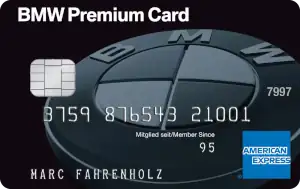
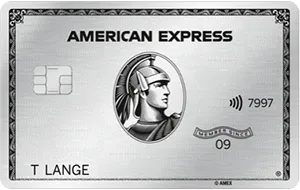
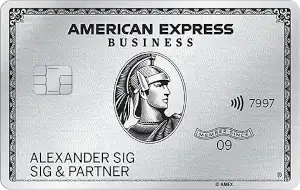
Advertising notice: provider links in this overview are affiliate links — we receive a commission from the provider for sign-ups made through them.
What Is a Charge Credit Card?
Charge cards are one of the four German credit card types. Charge cards are real credit cards with an overdraft facility.
A charge credit card allows you to make purchases throughout the month and settle the entire balance in one payment at the end of the billing cycle. Unlike revolving credit cards, charge cards do not permit partial payments or carry interest on outstanding balances, provided the bill is paid on time.
In Germany, this card type functions like a short-term, interest-free loan. The total amount spent is billed monthly (credit card bill), and repayment is typically withdrawn automatically from your linked bank account. If you miss a payment, the provider may charge late fees or restrict the use of your card.
Charge cards are ideal for expats who want the flexibility of delayed payments without the risks of accumulating debt. They are also a popular option among those who value financial discipline, predictable billing, and premium features like travel insurance or reward programs.
While you won’t be able to spread out payments over time, the clarity of monthly settlement and often generous credit card limits can make them an excellent fit for stable earners.
Most modern charge cards support contactless payments via NFC, as well as smartphone wallets like Apple Pay and Google Pay.
Charge Cards versus Other Credit Card Types
Charge credit cards offer a unique payment structure that sits between debit cards and revolving credit cards. They are best suited for users who want a short-term credit line but prefer to avoid interest charges. Expats with regular income and a German bank account can benefit from the convenience and stability of monthly billing, without falling into long-term debt.
Credit Card Types in Germany — Quick Comparison Table
| Card Type | Credit Function | Interest Charged | Payment Structure |
|---|---|---|---|
| Charge Card | ✅ Yes (short-term) | ❌ No, if paid in full on time | Full monthly payment |
| Debit Card | ❌ No | ❌ No | Immediate deduction from the checking account |
| Prepaid Card | ❌ No | ❌ No | Pay in advance |
| Revolving Card | ✅ Yes (long-term) | ✅ Yes, on the unpaid balance | Installments or full payment, depending on the provider |
| This table offers a general overview. Terms and repayment procedures vary between banks and card providers. | |||
When to Choose a Charge Card Over Other Types?
Choose a charge credit card if you:
- Don’t need the flexibility of long-term installment payments.
- Have a regular income and a stable residence status in Germany.
- Need a reliable card for international travel or major purchases.
- Prefer to avoid paying interest or late fees by settling your credit card bill in full each month.
- Want access to premium features (e.g., travel insurance, rewards programs).
Charge cards offer structure and stability — ideal for financially disciplined users who want to pay later without paying interest. However, always read the fine print regarding late payment fees and repayment methods.
How Charge Cards Work in Germany
Charge credit cards function as short-term credit instruments. Instead of drawing money directly from your account for each purchase (like debit cards) or allowing you to repay over time with interest (like revolving credit cards), a charge card collects all your transactions during the billing cycle. You settle your credit card bill in full once a month.
Monthly Billing Cycle
Every transaction made with a charge card is recorded during a set billing period — typically 30 days. At the end of this cycle, you receive a credit card statement summarizing all your purchases, transaction fees (if any), and the total amount due. This amount is then automatically debited from your designated current account.
Linked Bank Account and Automatic Repayment
To use a charge card in Germany, you need a linked bank account, usually a German checking account (Girokonto). The total balance due is automatically withdrawn from this account on the due date — no manual action is required. This makes charge cards reliable and low-maintenance, especially for expats who want predictable payments without the risk of missing a deadline.
This automatic full repayment is an important difference between genuine charge cards and many revolving credit cards. Some revolving cards require the cardholder to transfer the statement amount manually. Failing to send the complete payment by the deadline can result in very high interest charges.
No Interest If Paid On Time
As long as the total amount is paid in full and on time, you pay no interest. In essence, the credit card company often grants you an extended interest-free credit period, which can extend up to 60 days depending on the issuer. This makes charge cards especially attractive for expats who want to delay the cost of purchases without falling into debt.
High Security of Charge Credit Cards
Charge credit cards offer a high level of security for both everyday use and online transactions. Compared to debit cards, they can provide an additional buffer between a disputed card payment and the money held in your checking account.
General security features
- Ideal for online shopping, subscriptions, travel bookings, and rental services, subject to the individual card’s acceptance and conditions.
- No immediate deduction from your bank balance — unlike debit cards, the charge card acts as a temporary payment buffer.
- Payments are not deducted immediately, giving users time to detect and report suspicious activity before monthly repayment.
Limited liability in case of misuse
- In the event of card loss or fraud, user liability is generally limited by law to €50 before the loss is reported, provided the cardholder did not act fraudulently or with gross negligence.
- Some providers may waive this liability if no fraud or gross negligence by the cardholder is involved.
Strong protection and chargeback rights
- Additional perks, such as purchase protection, travel insurance, and warranty extensions, may be included depending on the card.
- Charge cards provide access to card-network dispute and chargeback procedures for eligible transactions.
- Users may be able to dispute payments when goods are not delivered, services are faulty, or a merchant refuses a justified refund.
Under EU law, your liability for unauthorized credit card transactions before reporting the loss is generally limited to a maximum of €50, provided you did not act fraudulently or with gross negligence. Once you report the loss or theft, you are generally no longer liable for subsequent unauthorized transactions.
Pros & Cons of Charge Cards
- High acceptance in Germany and abroad
- Ideal for budgeting without revolving debt
- No interest charges if paid on time
- Often includes travel insurance, cash back, or purchase protection
- Predictable monthly billing with full repayment
- Useful payment protection for online purchases and bookings
- Fewer providers than debit or revolving cards in Germany
- No option for installment payments
- Not suitable for users with irregular income
- Requires a German bank account in many cases
- Schufa credit check is usually mandatory
Charge Cards — Requirements & Eligibility for Expats
Applying for a charge credit card in Germany can be more complex for expats than for residents with an established credit history in Germany. Most credit card providers require proof of financial stability and legal residence; however, many banks and issuers offer fully digital applications, particularly for long-term residents and employed professionals.
Schufa Check and Income Verification
Most charge cards require a positive Schufa score — Germany’s main credit rating — as well as regular income. If you’ve recently moved to Germany, you may not yet have a Schufa record, which can complicate the approval process. Providers may also assess other financial and application information in addition to the Schufa check.
A stable income, usually verified through payslips or salary deposits, may be required for approval of a charge card. Self-employed expats may be asked to provide additional documentation, such as tax returns or business account statements.
The Schufa is Germany’s main credit bureau. It records information relating to financial contracts and payment behavior and produces creditworthiness scores used by banks when reviewing applications. Expats often lack an established Schufa history when they arrive, which can make them an unknown risk for lenders. This may lead to rejections or lower credit limits, especially for cards with real credit lines. That’s why many newcomers begin with prepaid or debit cards that do not require the same credit assessment.
Required Documents
To apply for a charge credit card, you’ll typically need the following documents:
- Passport
- Proof of income, such as salary slips, employment contract, or bank statements
- Proof of registered address in Germany (Meldebescheinigung)
- Sometimes: residence permit, depending on your nationality and provider
Online applications typically include document uploads and an identity check, such as video identification.
Applying for a Charge Card
Most German credit card providers allow you to apply fully online, either through their website or mobile app. After submitting your documents and passing the identity check, you’ll receive a decision. If approved, the card will be sent to your German address, and you’ll need to activate it before use.
Some providers may make a card available for online purchases or mobile wallets before the physical card arrives. Availability and timing depend on the issuer and application.
Credit Card Costs to Watch Out For
While charge credit cards offer attractive features and added security, they can also come with substantial fees, especially with premium models. Understanding these costs is crucial to avoid unexpected expenses.
Be sure to read the fine print and watch out for fees, especially with premium cards or when using your card abroad.
Annual Fees
Many charge cards have annual fees, particularly those offering insurance or loyalty programs. Some entry-level American Express cards have no annual card fee, while the DKB Visa Credit Card costs €2.49 per month, or €29.88 per year. Premium products such as American Express Gold or Platinum can cost substantially more.
The total cost may also include a required checking account. The DKB Visa Credit Card requires a DKB Girokonto. This account costs €4.50 per month unless the customer meets the applicable fee-waiver conditions, including at least €700 in monthly incoming transactions. Customers who qualify for other exemptions, such as the age-based account conditions, may also avoid the account fee.
A customer who does not qualify for a Girokonto fee waiver would therefore pay a combined €6.99 per month, or €83.88 per year, for the card and account.
Charges on Cash Withdrawals
Many charge cards are not ideal for withdrawing money. Some providers charge fees of 2% to 4% per withdrawal, sometimes with a minimum charge. If you require regular access to cash, check the individual card’s conditions carefully.
The DKB Visa Credit Card permits cash withdrawals under DKB’s card conditions without a separate DKB withdrawal fee. However, individual ATM operators may impose their own charges.
Foreign Currency Conversion Fees
When using your card abroad or for online purchases in non-euro currencies, many providers charge a foreign transaction fee, often between 1.75% and 2.50%. Some travel-focused cards waive the provider’s foreign transaction fee entirely.
Managing a Charge Card
Once you’ve received your card, good management is key. Charge cards are relatively low-risk when used properly, but they still require attention, especially around billing and limits.
Monitoring Your Credit Card Bill and Statements
You’ll receive a monthly credit card statement showing all your transactions. The full balance is typically collected via direct debit from your linked bank account. This automated process supports timely repayment and avoids revolving interest. It’s essential to review your statements for errors or fraudulent activity and ensure you have sufficient funds in your account for automatic repayments.
Keeping your linked account funded and your card well-managed is important for avoiding failed payments and protecting your financial record in Germany.
Card Limits and Spending Control
Your card will come with a predefined spending limit based on your creditworthiness. Some providers may increase your limit over time if you use the card responsibly. Many credit card apps allow you to track spending in real time and offer alerts or controls to help manage usage.
Tips for Responsible Use
- Always check your statement before payment is due
- Avoid using the card for fee-based cash withdrawals unless necessary
- Be aware of renewal fees or changing conditions in the fine print
- Keep your linked account funded to avoid failed payments
- Use apps to monitor spending and categorize expenses
German Credit Cards — Best Charge Credit Cards
In Germany, true charge credit cards are offered, for example, by American Express, DKB (Deutsche Kreditbank), and other providers such as Deutsche Bank, cooperative banks (Volks- und Raiffeisenbanken), and savings banks (Sparkassen).
These cards offer genuine charge card functionality — meaning the complete statement balance is normally deducted from a linked bank account each month rather than carried forward through standard minimum repayments. Other products marketed as “credit cards” may instead be debit or revolving cards with a different billing structure.
DKB Visa Credit Card: Low Fees and Selected Extras
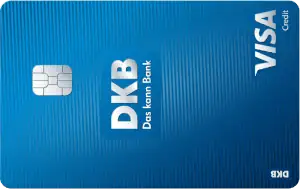
The DKB Visa Credit Card costs €2.49 per month, or €29.88 per year. It is available as an optional addition to a DKB Girokonto, and the complete monthly credit card statement is charged to that account.
The required DKB Girokonto costs €4.50 per month unless the customer qualifies for free account management. One of the main fee-waiver conditions is receiving at least €700 in monthly incoming transactions. Other exemptions may apply under DKB’s current account conditions.
This means the card is not technically free. A customer who does not qualify for free account management may pay €6.99 per month in combined card and Girokonto fees.
The card supports worldwide card payments and cash withdrawals under DKB’s applicable conditions. It also provides access to the DKB-Cashback program through the DKB banking app. Participating merchants and online partners may offer merchant-specific cashback of up to 10%.
The DKB Visa Credit Card does not include the broad built-in insurance package associated with many premium travel cards. It is therefore best suited to customers who prioritize monthly full settlement, moderate card costs, travel-friendly payment conditions, and access to merchant cashback rather than extensive insurance benefits.
American Express: Tiered Services and Strong Benefits
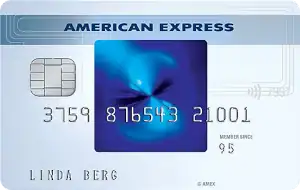
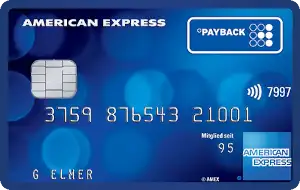
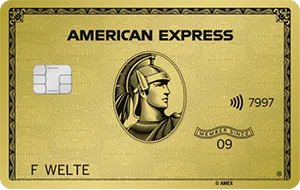
American Express offers a broad portfolio of cards in Germany — from no-fee entry products such as the Amex Blue and Payback American Express Card to premium options like the Amex Gold and Amex Platinum Card.
Entry-level cards may suit newcomers and casual shoppers. Higher-tier American Express cards may offer travel insurance, purchase protection, airport lounge access, and other benefits. Selected cards also provide rewards or cashback card benefits.
Amex users can benefit from the Amex Offers program, which provides merchant-specific deals. Eligible Membership Rewards cards earn points that can be redeemed for travel, shopping, or statement credits. American Express Gold and Platinum provide additional benefits that may be useful in everyday life and when traveling.
While the benefits can be extensive, users should be aware that cash withdrawals and foreign currency payments can carry comparatively high fees.
German Credit Cards — Best Charge Card Alternatives
Not every expat in Germany qualifies for a charge credit card — and not everyone needs this type of card. Alternatives include modern debit cards and revolving credit cards, although each has a different repayment and risk structure.
Revolving Credit Cards
Revolving cards allow partial repayment over time and charge interest on unpaid balances. Some can be used without purchase interest if the complete monthly statement is paid by the deadline.
However, you cannot assume that a revolving card can be converted into a charge card by selecting 100% repayment in its app. The repayment process depends on the provider.
- Advanzia Gebührenfrei Mastercard Gold: Customers generally receive a monthly statement and repay it by bank transfer. A direct-debit arrangement is not a standard app toggle and may require a separate request and approval. Cardholders should not assume that automatic full repayment is active.
- TF Bank Mastercard Gold: TF Bank does not provide automatic direct debit for statement repayment. The cardholder must normally repay the monthly statement manually by bank transfer.
TF Bank and Advanzia should not be described as cards that can simply be switched to automatic 100% repayment in an app.
With TF Bank, the statement generally has to be paid manually by bank transfer. Advanzia also uses manual transfer as its standard repayment method, while any direct-debit arrangement requires a separate process and should not be presumed active.
If the complete payment is not received by the deadline, unpaid balances can incur interest exceeding 20% per year. A forgotten transfer, incorrect reference, late payment, or partial payment can therefore become very expensive.
Only use either card as a charge-card alternative if you are prepared to review every statement, transfer the complete amount before the deadline, and confirm that the payment has arrived. A genuine charge card with automatic full repayment is safer for users who do not want to manage this process manually.
The TF Bank Mastercard Gold and Advanzia Gebührenfrei Mastercard Gold may offer benefits such as travel insurance or reduced foreign transaction costs. However, these advantages must be weighed against their repayment structure and high potential interest charges.
They are not equivalent to genuine charge cards with automatic monthly full settlement.
Debit Cards
Debit cards deduct funds directly from your linked bank account and don’t provide credit. However, they’re widely accepted, accessible, and often include strong digital features. Debit cards in Germany are commonly issued through Visa or Mastercard. Some are available without a traditional Schufa credit assessment.
While some debit cards charge annual or monthly fees, others are issued without a separate card fee — especially by mobile banks such as N26 or Revolut. However, these products may be tied to checking accounts with their own conditions or account maintenance fees. For a full understanding of each card’s strengths and weaknesses, it’s best to compare credit cards thoroughly.
Modern debit cards from providers like N26 and Revolut go beyond basic payments. Premium plans may include travel-related benefits, purchase protection, lounge access, or metal cards. Basic plans can provide free cards, while upgrades may include business cards or foreign exchange cards with reduced provider fees.
For many expats, debit cards offer a practical alternative because spending is deducted directly and cannot create a revolving credit balance.
Conclusion — Are Charge Credit Cards the Right Choice for Expats?
Charge credit cards are a strong option for expats in Germany who receive a regular income and want the convenience of monthly billing without carrying revolving debt. They combine short-term payment flexibility with the discipline of full monthly repayment.
True charge cards are less common than debit and revolving cards, but DKB, American Express, and several traditional or regional banks continue to offer monthly full-settlement products. For newcomers without a Schufa history or stable income, debit or prepaid cards may be a better starting point.
The DKB Visa Credit Card is relatively inexpensive at €2.49 per month, but it requires a DKB Girokonto. Customers who do not meet the account’s fee-waiver conditions must include the additional €4.50 monthly account fee when calculating the total cost. The card also includes access to DKB’s cashback program for discounts and rewards.
Revolving cards require more caution. TF Bank requires manual repayment by bank transfer, and Advanzia uses manual transfer by default. Neither should be presented as an automatic 100% app-toggle alternative to a charge card. Missing a repayment deadline can expose the cardholder to interest exceeding 20% per year.
As your financial situation stabilizes, moving to a genuine charge card can provide predictable monthly repayment, useful card protections, and better acceptance for certain bookings.
In short, charge cards are not for everyone, but for financially disciplined users who can keep the linked account sufficiently funded, they can be among the most practical German credit cards.
Frequently Asked Questions — FAQ
A completely free credit card — one with no annual fee and no hidden charges for everyday use — can be a great option, especially for cost-conscious expats or those just settling in Germany. In addition, most free credit cards still incur transaction fees.
However, “free” doesn’t always mean the card offers the best value. Free credit cards may lack premium features such as insurance, reward programs, or concierge services. Some also charge extra for cash withdrawals or international payments.
To find the right free credit card, look beyond the headline “€0 annual fee.” Compare the full range of features and fees — including interest rates, international usability, and any requirements like a minimum income or Schufa check. For many users, a well-balanced card with modest fees and strong benefits may be a better long-term choice.
Yes, charge cards are widely accepted by rental car companies and hotels in Germany and around the world. Many rental agencies and hotel chains prefer real credit cards — including charge cards — over debit or prepaid cards, as they often place a security deposit or pre-authorization hold during booking.
Since charge cards provide a true credit line and are backed by major networks like Visa, Mastercard, or American Express, they typically meet the requirements for such transactions. Please ensure your card has a sufficient credit limit available when making a booking or checking in.
It’s difficult, but not impossible. Most German credit card providers require a positive Schufa score as proof of creditworthiness. However, some issuers — especially American Express — may accept applications from expats without a long Schufa history if they can prove stable income and residency. If you don’t yet have a Schufa record, it may be easier to start with a debit card or revolving credit card with flexible criteria, and apply for a charge card later.
If you miss the monthly payment on your charge card, the full balance will remain unpaid. Since charge cards don’t allow minimum payments or partial repayment, this could result in late fees, blocked card usage, or even contract termination. Some providers may offer a short grace period, but it’s essential to have sufficient funds in your linked bank account when the payment is due. Always check your credit card statement and set up reminders to avoid accidental delays.