
How we earn our money
We finance our services on how-to-germany.com through affiliate programs.
When a user orders a financial product through our site and their application is approved, we may receive a commission from some providers. It’s important to note that this does not in any way influence our independent ratings and recommendations.
All the products we present on how-to-germany.com are selected for their quality, range of services, and excellent value for money.
Debit Cards in Germany
 Written by
Janine El-Saghir
Janine El Saghir is an editor at How-to-Germany.com, where she specializes in the practical aspects of daily life and integration for expatriates. With years of...
Written by
Janine El-Saghir
Janine El Saghir is an editor at How-to-Germany.com, where she specializes in the practical aspects of daily life and integration for expatriates. With years of...
 Reviewed by
Erkan Boga
Erkan Boga is the founder and CEO of qmedia GmbH, the publishing house behind How-to-Germany.com. He established the platform with the clear vision of creating...
Reviewed by
Erkan Boga
Erkan Boga is the founder and CEO of qmedia GmbH, the publishing house behind How-to-Germany.com. He established the platform with the clear vision of creating...
 Edited by
Sadie Voss
Content Lead & Editor
Sadie Voss is the Lead Editor for How-to-Germany.com. As an expat who carved her own way into Berlin from the United States, Sadie is deeply...
Edited by
Sadie Voss
Content Lead & Editor
Sadie Voss is the Lead Editor for How-to-Germany.com. As an expat who carved her own way into Berlin from the United States, Sadie is deeply...
- In Germany, you typically receive a bank card (usually a debit card) when you open a current account (Girokonto).
- Debit cards are linked directly to your current account — all payments and withdrawals are immediately debited from your available balance.
- While debit cards themselves do not offer a credit line, a current account with a traditional German bank can still support your German credit profile if the bank reports the account relationship to Schufa. Fintech cards such as Revolut or Trade Republic should not be treated as Schufa-building tools.
- Unlike prepaid cards, debit cards typically require a bank account; however, many do not require a Schufa credit check.
- Debit cards are issued as Visa or Mastercard. They are widely accepted in Germany and worldwide.
- Most German debit cards are free because they are included with your bank account. However, fees may apply for account management and card transactions, such as cash withdrawals or international payments.
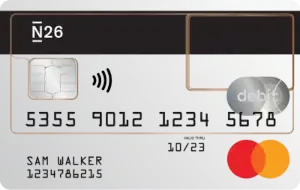
- Premium debit cards from providers like N26 or Revolut offer attractive extras, including insurance, cashback, shopping benefits, or the option to purchase discounted airport lounge access.
Compare Best Debit Cards in Germany
Advertising notice: provider links in this overview are affiliate links — we receive a commission from the provider for sign-ups made through them.
What are Debit Cards?

A debit card is directly linked to your current account (Girokonto). It allows you to pay in-store, for online purchases, or withdraw money, with the amount being immediately deducted from your account balance. It is one of the four German card types, where, unlike other German credit cards, there is no borrowing involved — you can only spend money that’s in your bank account. Debit cards are a convenient alternative to cash payments, suitable for both everyday expenses and travel.
In Germany, there are different types of debit cards: traditional Giro cards (also known as EC card, used mostly for domestic payments), modern Visa and Mastercard Debit cards (with global acceptance), and virtual or mobile-only debit cards, issued by online banks and fintech providers (also Visa or Mastercard).
Debit cards are widely accepted both in-store and online, and they are the standard form of cashless payment. Most German banks issue a debit card when you open a current account. Modern cards — particularly those from online banks — are typically Visa or Mastercard-branded, making them universally usable worldwide.
Debit cards offer all the same payment features as real credit cards, except for a credit limit or borrowing function. Most expats benefit from Visa or Mastercard Debit cards, as they combine international usability with modern features like contactless and mobile payments. With a modern debit card, you can pay online, shop in stores, and withdraw cash, all while maintaining full control of your finances.
Premium debit cards – such as the N26 Go and Metal cards – may be equipped with additional services, including insurance, shopping benefits, or the option to purchase discounted airport lounge access. N26 Go is especially useful for international travel, offering foreign-currency cash withdrawals, travel insurance coverage, and travel-related benefits. N26 Metal offers stronger premium perks, including a free annual airport lounge pass.
Debit cards do not build credit history in the same way as real credit cards, because there is no credit line or repayment behavior. However, the linked current account may still support your German credit profile if it is held with a traditional German bank that reports the account relationship to Schufa, such as DKB or Commerzbank. Fintech accounts and debit cards from providers such as Revolut or Trade Republic should not be relied on for building Schufa history.
Many traditional German banks issue a Girocard as the standard debit card for their current accounts. While Girocard payments are well-suited for in-store purchases within Germany, they are often not accepted for online shopping or international transactions. If you need a Visa or Mastercard Debit card, you frequently have to request it separately, and in many cases, you will also pay an additional fee.
| Card type | Best for | Main limitation | Typical use in Germany |
|---|---|---|---|
| Credit card | Hotels, car rentals, travel bookings, deposits, and flexible payment timing | Usually requires a credit check and can create interest costs if used incorrectly | Useful as a backup card, especially for travel and larger bookings |
| Debit card | Online payments, everyday spending, travel, and mobile-first banking | No credit line; some hotels or rental companies may still prefer a real credit card | The standard card type for many online banks and modern current accounts |
| Girocard | Local in-store payments, small shops, doctors, bakeries, and traditional German retailers | Often limited for online shopping and international payments unless co-badged | Still very common with branch banks, Sparkassen, and Volksbanken |
In contrast, online providers like N26, Revolut, or DKB usually include a modern Visa or Mastercard debit card as part of their account package. These cards offer full international usability, including compatibility with contactless and mobile payments.
The key difference lies in acceptance: Girocard acceptance is usually limited to Germany and a few other European countries, while Visa and Mastercard Debit cards are accepted worldwide. Some Girocards are co-branded with V Pay, allowing limited international usage, mostly within the EU. However, V Pay is being gradually phased out in favor of full Visa Debit. Similarly, Maestro — previously used as a co-badge with Mastercard for international transactions — is being phased out and replaced by Mastercard Debit, which offers broader global acceptance and improved functionality.
Pros and Cons of Debit Cards
- Can support your German credit profile when linked to a traditional German bank account that is reported to Schufa
- Depending on the provider, often available without a credit check or Schufa score
- No risk of accumulating credit card debt, because all card payments are deducted immediately from your bank account
- Supports contactless payments and mobile wallets (Apple Pay, Google Pay)
- Widely accepted across Germany and internationally
- Certain services (e.g., car rentals or hotel bookings) may require a real credit card
- Fewer additional benefits compared to credit cards (e.g., often no insurance or cashback)
- No credit line or payment deferral option
- Some cards incur fees for foreign transactions or ATM withdrawals
Where and How to Use Your Debit Card
German debit cards are widely accepted for everyday payments, both in Germany and abroad. They function like credit cards at the point of sale, while drawing funds directly from your checking account. Transactions are declined if your account has insufficient funds, making debit cards a secure and debt-free payment method.
You can use your Visa or Mastercard Debit card in the following situations:
- ATM withdrawals: You can withdraw cash at German ATMs and worldwide. Fees vary depending on your card provider and the ATM network.
- In-store payments: Almost all physical retailers, supermarkets, and restaurants in Germany and worldwide accept debit cards. Contactless payments and mobile wallets, such as Apple Pay and Google Pay, are also supported.
- Online shopping: Unlike Germany’s traditional Girocard, international debit cards are widely accepted by online shops, subscription services, and travel platforms.
One potential limitation: While most debit cards are accepted for hotel reservations and car rentals, some providers may still prefer or require a credit card to secure a security deposit. However, many users successfully make these bookings with modern debit cards, especially from well-known banks and fintechs.
Who Should Use a Debit Card?
Debit cards are ideal for managing daily expenses, especially for expats and students adjusting to life in Germany. Because many debit cards are linked to current accounts that do not require a Schufa score, they offer a straightforward entry into the German financial system. You get access to a fully functional bank account and a card that works online, in stores, and abroad — all without needing to apply for credit.
They are also a great option for everyday users, especially mobile-first customers who prefer managing their finances via a mobile app. Modern debit cards, particularly from online banks, come with intuitive mobile tools, real-time notifications, and built-in budgeting features. Contactless payments at any payment terminal are widely supported, including Apple Pay, Google Pay, and other digital wallets.
Most modern debit cards include both chip and contactless functions — though in rare cases, especially outside the EU, older terminals may still require the use of the magnetic strip for classic card transactions.
Fees and Costs of Debit Cards

German debit cards are often marketed as low-cost solutions, particularly when issued by online banks. However, costs can vary significantly depending on whether you use a direct bank, a fintech, a major established bank, or a traditional savings bank. Some providers charge fees for using foreign currency, making cash withdrawals, or opting for premium card options. The European Central Bank sets regulatory standards for electronic payments and banking fees, which also apply to debit card providers in Germany.
Key cost factors include:
- ATM withdrawals: Domestic withdrawals at the provider’s ATM network are usually free. Using an out-of-network or international ATM may incur fixed fees or percentage-based charges. Digital banks without an ATM network typically allow a certain number of free cash withdrawals per month.
- Account management fees: Some bank accounts come with monthly maintenance charges, averaging between €5 and €15. These fees may be waived if you meet certain criteria, such as a minimum monthly income or age limits.
- Card issuance and maintenance: Many online providers offer debit cards for free, while traditional banks may charge a small one-time, monthly, or annual fee.
- Foreign currency conversion: Paying or withdrawing cash outside the Eurozone may incur fees for international transactions, typically ranging from 1.75% to 3.0%. However, there are also cards with no fees for foreign currency transactions, which are particularly suitable for frequent travelers.
- Other fees may apply for replacement cards, express delivery, or paper statements.
Most debit cards seem low-cost at first glance — but high fees can apply for international transactions, out-of-network ATM withdrawals, or account maintenance. Always review the fine print to avoid unpleasant surprises and ensure you understand the full cost structure before selecting a provider.
Best Debit Cards in Germany
Looking for the best debit cards in Germany? Whether you’re an expat, student, or digital nomad, these cards offer a reliable, flexible, and often low-cost way to manage your everyday finances:
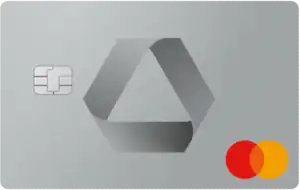
- Commerzbank Mastercard Debit
- DKB Visa Debit Card
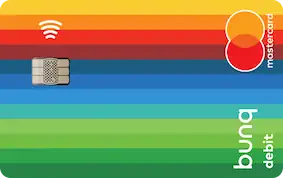
- Revolut Mastercards
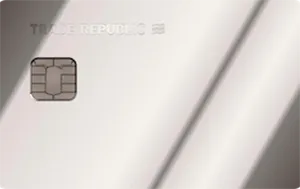
- Trade Republic Visa Debit Card
| Debit card | Best for | Key costs | Main benefits |
|---|---|---|---|
| Commerzbank Mastercard Debit | Branch-bank customers who want personal service and a modern Mastercard debit card | The digital Girokonto costs €4.90/month. The physical Mastercard Debit costs €3.50/month on top of that, unless you choose the KlassikKonto, which costs €9.90/month. | Worldwide Mastercard acceptance, direct Girokonto debit, mobile payments, online card controls, branch support, and a traditional German bank relationship |
| DKB Visa Debit Card | Established expats, employees, students, and users who want a strong everyday German bank account | Included with the DKB Girokonto; the account is free with €700 monthly incoming payments or for customers under 28, otherwise €4.50/month | Free Visa Debit card, Apple Pay and Google Pay, worldwide Visa acceptance, and strong ATM conditions with Aktivstatus |
| Revolut Mastercards | International users, travelers, app-first customers, and people who frequently exchange currencies | Standard plan is free; paid plans range from Plus to Ultra, with higher ATM and travel benefit limits | Multi-currency app, instant spending notifications, fee-free ATM withdrawals within plan limits, budgeting tools, and travel-focused paid tiers |
| Trade Republic Visa Debit Card | Savers and investors who want a card connected to cash interest and ETF investing | Virtual card is free; physical cards may carry one-time fees. ATM withdrawals are generally free from €100, while smaller withdrawals cost €1. | 1% Saveback invested into a savings plan, capped at €15/month and only available with a running savings plan of at least €50/month; also includes interest on cash, worldwide Visa acceptance, and automatic round-up investing |
The DKB Visa Debit Card is a strong all-round option for people who already live in Germany or receive a regular salary. The card is included with the DKB Girokonto and works anywhere Visa is accepted. DKB is especially attractive if you qualify for Aktivstatus, because this improves the card’s travel and cash withdrawal conditions. It is best for users who want a proper German current account rather than only a fintech wallet. However, many expats have recently been rejected from DKB, so application should be approached hesitantly or reconsidered.
The Commerzbank Mastercard Debit is the best fit if you want a modern debit card but still prefer a traditional branch bank. It is directly linked to your Commerzbank current account and can be used online, in-store, abroad, and with mobile wallets. The key advantage is personal banking support and a traditional German bank relationship, while the main downside is cost: Commerzbank no longer offers its previous free Girokonto model, and the physical Mastercard Debit may cost extra depending on your account package.
Advertising notice: provider links in this overview are affiliate links — we receive a commission from the provider for sign-ups made through them.
The Trade Republic Visa Debit Card is particularly interesting for users who want their card spending connected to saving and investing. Its main feature is 1% Saveback, but this is capped at €15 per month and requires a running savings plan of at least €50 per month. It also offers free ATM withdrawals from €100 and charges €1 for smaller withdrawals. This makes it useful for people who already invest or want to build an investing habit through everyday spending, but it should not be treated as a Schufa-building bank card.
Advertising notice: provider links in this overview are affiliate links — we receive a commission from the provider for sign-ups made through them.
The Revolut Mastercards are best for internationally mobile users who want a flexible app-based account, currency tools, and travel features. Revolut’s Standard plan is free, while paid plans add higher ATM limits, more travel benefits, and premium features. However, Revolut is often better as a second account or travel card than as your only German banking solution, especially if you need a local branch relationship or a traditional Girokonto setup.
Choose DKB for the strongest everyday German bank account, Commerzbank if you want branch support, Revolut for travel and currency flexibility, and Trade Republic if you want card spending linked to investing.
Alternative Credit Card Types for Expats
While debit cards are the standard choice for most newcomers, you might eventually need a payment solution with more features or credit flexibility. If you’re an expat working in business management, for example, it’s important to consider more specific card types, such as business cards or travel cards. For expats who are more exploration-oriented, such as digital nomads or budget backpackers, free cards and foreign exchange cards with no fees might be more suited to your needs. These niches fall under the four standard types.
Prepaid Credit Cards
German prepaid cards are ideal for expats who want full control over their spending. Since they are not linked to a bank account or credit line, you can only spend what you’ve loaded. They are accessible without a Schufa score, but have limited acceptance for services such as hotel bookings or car rentals. Prepaid cards usually do not come with additional services.
- Commerzbank Prepaid Mastercard
- Pay Center SupremaCard (Mastercard)
- Postbank Visa Card Prepaid
Charge Credit Cards
Charge cards offer a credit line and require you to pay the full balance each month or within another fixed billing period. They don’t charge interest if paid on time and are commonly used for higher-end cards such as American Express. Many charge cards offer additional benefits, such as insurance, cash back, bonus programs, or discounts on car rentals, hotels, and travel bookings.
- American Express Credit Cards
- DKB Visa Credit Card
Revolving Credit Cards
Revolving cards allow you to pay your outstanding balance in flexible installments. While they offer real credit and give you high financial flexibility in case of larger purchases, interest charges apply unless the full amount is paid monthly. They are a suitable option for users seeking to establish or improve their credit profile in Germany.
Many of these cards include valuable perks. Some free cards with no annual fee, such as the TF Bank Mastercard Gold, also come with excellent travel insurance and other attractive features.
- Advanzia No-Fees Mastercard Gold
- easybank Kreditkarte Gold
- easybank Platinum Double
- Hanseatic Bank Gold Card
- TF Bank Mastercard Gold
Conclusion – Is a Debit Card Right for You?

Debit cards are a smart, secure, and essential financial tool for anyone living in Germany, especially for expats, newcomers, and mobile-first users. They offer full flexibility for daily spending, are easy to manage, and can often be obtained even without an established credit history. While they don’t provide a credit line, they are widely accepted and help you manage everyday spending. If building a German credit profile is important, choose a debit card linked to a traditional German bank account that reports to Schufa rather than relying only on a fintech card.
For most users, the best choice depends on how you bank: DKB is strongest as an everyday German current account, Commerzbank is better if you want branch-bank support, Revolut is useful for international spending, and Trade Republic is attractive if you want card spending connected to saving and investing. However, Revolut and Trade Republic should not be treated as Schufa-building tools. If you also need hotel deposits, car rentals, or delayed payment options, a real credit card may still be worth keeping alongside your debit card.
Frequently Asked Questions
You typically receive a debit card automatically when opening a current account (Girokonto) with a German bank. To apply for an account and debit card, you usually need to complete a short application form, submit your personal details, and verify your identity via a video call or PostIdent. Most banks support online applications. Once your account is active, your new card will be sent to your registered address by post.
Some banks only issue Giro Cards for their accounts as standard. In this case, you will need to order a Visa or Mastercard debit card separately during the account opening process.
Most debit cards can be managed through your bank’s mobile app or online banking platform. There, you can monitor transactions, block or unblock the card, adjust spending limits, and activate features like contactless payments or travel usage. Many apps also support virtual cards and provide real-time notifications for each transaction, giving you full control over your card activity.
The Schufa is Germany’s main credit reporting agency. It collects data on financial contracts such as bank accounts, credit cards, loans, and payment history. Since 2026, Schufa has used the transparent NextGen Score 1.0, which replaced the old percentage score with a 100-to-999 point scale based on 12 visible factors. These factors include payment problems, the age of your oldest bank contract, the age of your oldest credit card, recent account or credit card applications, installment loans, credit status, and identity verification.
For debit cards, the important point is that the card itself does not create a credit line. A debit card can only support your Schufa profile if it is linked to a traditional German bank account that is reported to Schufa, such as DKB or Commerzbank. Neobanks and fintech cards such as Revolut or Trade Republic should not be treated as tools for building Schufa history, because their account and debit-card usage generally is not reported in the same way.
A virtual debit card is a digital version of a regular debit card. Instead of receiving a physical plastic card, you get the card details electronically and can also store them in your mobile wallet (e.g., Apple Pay or Google Pay). Virtual cards can be used for online purchases, in-store contactless payments, and even ATM withdrawals, provided the machine supports mobile payment, which is still rare in Germany. They’re ideal for newcomers who want instant access to their account while waiting for the physical card to arrive. Some online banks offer virtual cards by default, with the option to order a physical card later, but at an additional fee.
German debit cards are generally very secure. They are protected by 2-factor authentication, chip technology, and fraud monitoring by your bank. Many cards support contactless and mobile payments, which utilize tokenization for enhanced security. In the event of loss or theft, you can block your card immediately through your banking app. In case of theft or unauthorized use, all banks offer liability limits of €50, provided the loss is reported promptly and no negligence is involved. Virtual debit cards and real-time notifications also help prevent fraud and keep your finances safe.