
How we earn our money
We finance our services on how-to-germany.com through affiliate programs.
When a user orders a financial product through our site and their application is approved, we may receive a commission from some providers. It’s important to note that this does not in any way influence our independent ratings and recommendations.
All the products we present on how-to-germany.com are selected for their quality, range of services, and excellent value for money.
Cat Insurance in Germany
 Written by
Janine El-Saghir
Janine El Saghir is an editor at How-to-Germany.com, where she specializes in the practical aspects of daily life and integration for expatriates. With years of...
Written by
Janine El-Saghir
Janine El Saghir is an editor at How-to-Germany.com, where she specializes in the practical aspects of daily life and integration for expatriates. With years of...
 Reviewed by
Erkan Boga
Erkan Boga is the founder and CEO of qmedia GmbH, the publishing house behind How-to-Germany.com. He established the platform with the clear vision of creating...
Reviewed by
Erkan Boga
Erkan Boga is the founder and CEO of qmedia GmbH, the publishing house behind How-to-Germany.com. He established the platform with the clear vision of creating...
 Edited by
Sadie Voss
Content Lead & Editor
Sadie Voss is the Lead Editor for How-to-Germany.com. As an expat who carved her own way into Berlin from the United States, Sadie is deeply...
Edited by
Sadie Voss
Content Lead & Editor
Sadie Voss is the Lead Editor for How-to-Germany.com. As an expat who carved her own way into Berlin from the United States, Sadie is deeply...
- Cat insurance Germany protects you from the financial consequences of your pet falling ill. It is flexible and can be tailored to your cat’s health needs, giving you control over your pet’s care.
- Cats do not require separate standalone liability insurance like dogs. Damage caused by cats is usually handled through the owner’s private liability insurance, but rental damage, claw marks, and wear-and-tear exclusions must be checked carefully.
- There are 2 main types of cat health insurance: a surgery-only plan and comprehensive coverage that also includes other veterinary treatments.
- The cost depends on the chosen plan, deductible, and your cat’s age. Premiums are usually slightly higher for outdoor cats.
- Several insurers offer cat insurance. For expats in Germany, we recommend Feather, Getsafe, and Lassie. These digital insurance providers provide services in both German and English, and Lassie stands out with its fully digital policy. All allow you to manage your insurance quickly and easily online or via smartphone app.
Premiums shown are reference quotes for a standard profile (breed risk group RG1, age 3) and may differ by animal, breed and age. As of 2026.
| Tariff & coverage | |
| Premium/month (from) Reference quote for a standard profile (risk group RG1, age 3). The actual premium depends on animal, breed and age. | €22.13 |
| Reimbursement rate | 100% |
| Coverage per year | unlimited |
| Unlimited annual reimbursement for eligible operation costs. Covers operations due to illness or accident, veterinary costs for diagnosis leading to an operation, surgical preparation, aftercare, and medication connected to the operation. Reimbursement up to 4× GOT, including emergency service fee. Selected additional benefits have separate sublimits. | |
| Max. GOT rate | 4× |
| Waiting period | 30 days |
| Max. entry age | 96 months |
| Excess (deductible) | |
| Excess The share of a bill you pay yourself when your pet is treated – like the deductible on car insurance. It can be a fixed amount (e.g. €50), a percentage (e.g. 20%) or both; “per case”, “per year” or “per month” says what it applies to. “none” = the tariff has no excess. A lower excess usually means a higher premium. | 0% / €0 (per year) |
| Fixed selectable deductible of €0, €150, or €250 per insurance year. This is not a percentage deductible. | |
| Coverage features | |
| Free vet choice | |
| Online consultation | |
| Treatment abroad (EU) | |
| Treatment abroad (worldwide) | |
| Clinic accommodation | |
| Castration / sterilisation | |
| Homeopathic treatment | |
| Traffic accident | |
| Preventive care | |
| Dental treatment | |

| Tariff & coverage | |
| Premium/month (from) Reference quote for a standard profile (risk group RG1, age 3). The actual premium depends on animal, breed and age. | €16.02 |
| Reimbursement rate | 100% |
| Coverage per year | unlimited |
| No annual maximum benefit limit for operation costs. Covers medically necessary operations, including the last pre-operative examination, diagnostic work needed for the operation, surgery under full or partial anesthesia, and follow-up treatment after surgery. Reimbursement up to 3× GOT as standard and up to 4× GOT for emergency veterinary service, including emergency service fee. | |
| Max. GOT rate | 4× |
| Waiting period | 30 days |
| Max. entry age | 84 months |
| Excess (deductible) | |
| Excess The share of a bill you pay yourself when your pet is treated – like the deductible on car insurance. It can be a fixed amount (e.g. €50), a percentage (e.g. 20%) or both; “per case”, “per year” or “per month” says what it applies to. “none” = the tariff has no excess. A lower excess usually means a higher premium. | 20% / €250 (per year) |
| Optional 20% deductible available if the cat is aged up to and including 5 years at contract start; capped at €250. If a deductible is agreed, it is deducted from each insurance case. | |
| Coverage features | |
| Free vet choice | |
| Online consultation | |
| Treatment abroad (EU) | |
| Treatment abroad (worldwide) | |
| Clinic accommodation | |
| Castration / sterilisation | |
| Homeopathic treatment | |
| Traffic accident | |
| Preventive care | |
| Dental treatment | |

| Tariff & coverage | |
| Premium/month (from) Reference quote for a standard profile (risk group RG1, age 3). The actual premium depends on animal, breed and age. | €4.31 |
| Reimbursement rate | 100% |
| Coverage per year | unlimited |
| Lassie OP insurance covers medically necessary operations for the insured animal under full or partial anesthesia. The product overview lists cover up to 4× GOT, pre-operative examinations within 10 days before surgery, aftercare until the 30th calendar day after surgery, complementary post-operative treatment if recommended by a vet, special diagnostics in the OP pre- and post-treatment period, prostheses subsidy up to €500, and travel cancellation costs caused by an accident-related operation up to €500 per insurance year. | |
| Max. GOT rate | 4× |
| Waiting period | 30 days |
| Max. entry age | 0 months |
| Excess (deductible) | |
| Excess The share of a bill you pay yourself when your pet is treated – like the deductible on car insurance. It can be a fixed amount (e.g. €50), a percentage (e.g. 20%) or both; “per case”, “per year” or “per month” says what it applies to. “none” = the tariff has no excess. A lower excess usually means a higher premium. | 0% / €0 (per case) |
| Variable deductible is selectable depending on the policy certificate. A deductible per insurance case applies according to the conditions listed in the policy certificate. If 0%, 20%, or 40% is selected, Lassie reimburses 100%, 80%, or 60% of eligible costs. | |
| Coverage features | |
| Free vet choice | |
| Online consultation | |
| Treatment abroad (EU) | |
| Treatment abroad (worldwide) | |
| Clinic accommodation | |
| Castration / sterilisation | |
| Homeopathic treatment | |
| Traffic accident | |
| Preventive care | |
| Dental treatment | |
| Tariff & coverage | |
| Premium/month (from) Reference quote for a standard profile (risk group RG1, age 3). The actual premium depends on animal, breed and age. | €17.14 |
| Reimbursement rate | 100% |
| Coverage per year | unlimited |
| Mini full protection covers medically necessary operations and illness/accident treatment. Mini has an annual benefit limit for illness and accident treatment costs, around 1,035 EUR, while Mini, Midi, and Maxi have no annual benefit limit for operation cover. | |
| Max. GOT rate | 4× |
| Waiting period | 30 days |
| Max. entry age | 0 months |
| Excess (deductible) | |
| Excess The share of a bill you pay yourself when your pet is treated – like the deductible on car insurance. It can be a fixed amount (e.g. €50), a percentage (e.g. 20%) or both; “per case”, “per year” or “per month” says what it applies to. “none” = the tariff has no excess. A lower excess usually means a higher premium. | 0% / €0 (per case) |
| Variable deductible is selectable: 0%, 20%, or 40%. Lassie therefore reimburses 100%, 80%, or 60% of eligible costs within the insured scope. The deductible applies per insurance case according to the insurance certificate. | |
| Coverage features | |
| Free vet choice | |
| Online consultation | |
| Treatment abroad (EU) | |
| Treatment abroad (worldwide) | |
| Clinic accommodation | |
| Castration / sterilisation | |
| Homeopathic treatment | |
| Traffic accident | |
| Preventive care | |
| Dental treatment | |

| Tariff & coverage | |
| Premium/month (from) Reference quote for a standard profile (risk group RG1, age 3). The actual premium depends on animal, breed and age. | €6 |
| Reimbursement rate | 100% |
| Coverage per year | €3,000 |
| OP-Schutz Comfort for cats has an annual maximum benefit of €3,000. Covers medically necessary operations under partial or full anesthesia, operation-preparatory diagnostics leading to surgery, post-operative treatment up to 15 days after surgery, post-operative medication/materials up to 15 days, and clinic accommodation up to 15 days after surgery. If a deductible is selected, the reimbursement rate is reduced accordingly. | |
| Max. GOT rate | 4× |
| Waiting period | 30 days |
| Max. entry age | 95 months |
| Excess (deductible) | |
| Excess The share of a bill you pay yourself when your pet is treated – like the deductible on car insurance. It can be a fixed amount (e.g. €50), a percentage (e.g. 20%) or both; “per case”, “per year” or “per month” says what it applies to. “none” = the tariff has no excess. A lower excess usually means a higher premium. | 0% / €0 (per case) |
| Deductible is selectable between 0%, 10%, and 20%. If agreed, it is deducted from each claim event. A 20% deductible means Getsafe reimburses 80% of insured costs. | |
| Coverage features | |
| Free vet choice | |
| Online consultation | |
| Treatment abroad (EU) | |
| Treatment abroad (worldwide) | |
| Clinic accommodation | |
| Castration / sterilisation | |
| Homeopathic treatment | |
| Traffic accident | |
| Preventive care | |
| Dental treatment | |
| Tariff & coverage | |
| Premium/month (from) Reference quote for a standard profile (risk group RG1, age 3). The actual premium depends on animal, breed and age. | €6 |
| Reimbursement rate | 100% |
| Coverage per year | €3,000 |
| Full health insurance for healthy cats under 8 years old at contract start. Covers medically necessary operations, non-surgical treatments, diagnostics, medication, clinic stays, telemedicine, a one-time prevention allowance, and worldwide temporary cover up to 12 months. | |
| Max. GOT rate | 4× |
| Waiting period | 30 days |
| Max. entry age | 95 months |
| Excess (deductible) | |
| Excess The share of a bill you pay yourself when your pet is treated – like the deductible on car insurance. It can be a fixed amount (e.g. €50), a percentage (e.g. 20%) or both; “per case”, “per year” or “per month” says what it applies to. “none” = the tariff has no excess. A lower excess usually means a higher premium. | 0% / €0 (per case) |
| Deductible is selectable between 0%, 10%, and 20%. If agreed, it is deducted from each claim event. A 20% deductible means Getsafe reimburses 80% of insured costs. | |
| Coverage features | |
| Free vet choice | |
| Online consultation | |
| Treatment abroad (EU) | |
| Treatment abroad (worldwide) | |
| Clinic accommodation | |
| Castration / sterilisation | |
| Homeopathic treatment | |
| Traffic accident | |
| Preventive care | |
| Dental treatment | |
| Tariff & coverage | |
| Premium/month (from) Reference quote for a standard profile (risk group RG1, age 3). The actual premium depends on animal, breed and age. | €26.81 |
| Reimbursement rate | 100% |
| Coverage per year | €0 |
| BasisDirekt includes free choice of veterinarian, reimbursement up to 3× GOT, and up to 4× GOT for emergency veterinary care. Surgery insurance benefits are included. Other treatment costs are covered up to €400, dental treatment up to €100, and preventive care up to €30. | |
| Max. GOT rate | 4× |
| Waiting period | 30 days |
| Max. entry age | 84 months |
| Excess (deductible) | |
| Excess The share of a bill you pay yourself when your pet is treated – like the deductible on car insurance. It can be a fixed amount (e.g. €50), a percentage (e.g. 20%) or both; “per case”, “per year” or “per month” says what it applies to. “none” = the tariff has no excess. A lower excess usually means a higher premium. | 0% / €0 (per case) |
| The calculator allows an optional deductible selection, from 0-250 EUR. If a deductible is agreed, it is deducted from each insurance case. Preventive benefits are reimbursed up to the agreed limit without deduction of the deductible. | |
| Coverage features | |
| Free vet choice | |
| Online consultation | |
| Treatment abroad (EU) | |
| Treatment abroad (worldwide) | |
| Clinic accommodation | |
| Castration / sterilisation | |
| Homeopathic treatment | |
| Traffic accident | |
| Preventive care | |
| Dental treatment | |

| Tariff & coverage | |
| Premium/month (from) Reference quote for a standard profile (risk group RG1, age 3). The actual premium depends on animal, breed and age. | €50 |
| Reimbursement rate | 100% |
| Coverage per year | €800 |
| The Plus plan has unlimited surgery cover, but an overall annual limit of €800 for the full-health part of the plan. Vet treatments and medication are covered up to €800, dental up to €150, and preventive care up to €70. Coverage percentage can be 80% or 100%, depending on the selected reimbursement/deductible option. | |
| Max. GOT rate | 4× |
| Waiting period | 30 days |
| Max. entry age | 71 months |
| Excess (deductible) | |
| Excess The share of a bill you pay yourself when your pet is treated – like the deductible on car insurance. It can be a fixed amount (e.g. €50), a percentage (e.g. 20%) or both; “per case”, “per year” or “per month” says what it applies to. “none” = the tariff has no excess. A lower excess usually means a higher premium. | 0% / €0 (per case) |
| Feather shows coverage percentage options of 80% or 100%. If 80% coverage is selected, the customer effectively pays 20% of eligible costs. If 100% coverage is selected, there is no percentage deductible. Pricing may change based on selected deductible. | |
| Coverage features | |
| Free vet choice | |
| Online consultation | |
| Treatment abroad (EU) | |
| Treatment abroad (worldwide) | |
| Clinic accommodation | |
| Castration / sterilisation | |
| Homeopathic treatment | |
| Traffic accident | |
| Preventive care | |
| Dental treatment | |

| Tariff & coverage | |
| Premium/month (from) Reference quote for a standard profile (risk group RG1, age 3). The actual premium depends on animal, breed and age. | €29.17 |
| Reimbursement rate | 100% |
| Coverage per year | €3,000 |
| Basis covers treatments and operations up to a yearly maximum benefit of €3,000. Reimbursement can be selected as 80% or 100%. Includes the benefits of PANDA OP protection tariffs plus additional full-health treatment coverage. | |
| Max. GOT rate | 3× |
| Waiting period | 30 days |
| Max. entry age | 84 months |
| Excess (deductible) | |
| Excess The share of a bill you pay yourself when your pet is treated – like the deductible on car insurance. It can be a fixed amount (e.g. €50), a percentage (e.g. 20%) or both; “per case”, “per year” or “per month” says what it applies to. “none” = the tariff has no excess. A lower excess usually means a higher premium. | 0% / €0 (per case) |
| The deductible depends on the selected reimbursement rate. If 100% reimbursement is selected, there is effectively no percentage deductible. If 80% reimbursement is selected, the customer pays 20% of eligible costs. | |
| Coverage features | |
| Free vet choice | |
| Online consultation | |
| Treatment abroad (EU) | |
| Treatment abroad (worldwide) | |
| Clinic accommodation | |
| Castration / sterilisation | |
| Homeopathic treatment | |
| Traffic accident | |
| Preventive care | |
| Dental treatment | |
| Tariff & coverage | |
| Premium/month (from) Reference quote for a standard profile (risk group RG1, age 3). The actual premium depends on animal, breed and age. | €2.71 |
| Reimbursement rate | 80% |
| Coverage per year | €1,000 |
| Basis Plus reimburses 80% of eligible operation costs up to €1,000 per insurance year. Covers operations under full or partial anesthesia, operation-related pre-examinations from one day before surgery, clinic accommodation up to 14 days after surgery, and medication after surgery up to 14 days. | |
| Max. GOT rate | 3× |
| Waiting period | 30 days |
| Max. entry age | 96 months |
| Excess (deductible) | |
| Excess The share of a bill you pay yourself when your pet is treated – like the deductible on car insurance. It can be a fixed amount (e.g. €50), a percentage (e.g. 20%) or both; “per case”, “per year” or “per month” says what it applies to. “none” = the tariff has no excess. A lower excess usually means a higher premium. | 20% / €250 (per case) |
| Basis Plus has a 20% deductible, with a minimum deductible of €250 per insurance case. This means hepster reimburses 80% of eligible costs, and the customer pays 20%, but at least €250 per claim. | |
| Coverage features | |
| Free vet choice | |
| Online consultation | |
| Treatment abroad (EU) | |
| Treatment abroad (worldwide) | |
| Clinic accommodation | |
| Castration / sterilisation | |
| Homeopathic treatment | |
| Traffic accident | |
| Preventive care | |
| Dental treatment | |
| Tariff & coverage | |
| Premium/month (from) Reference quote for a standard profile (risk group RG1, age 3). The actual premium depends on animal, breed and age. | €3.26 |
| Reimbursement rate | 100% |
| Coverage per year | €2,000 |
| OP-Schutz Basis covers operation costs up to a yearly maximum benefit of €2,000. Reimbursement can be selected as 70%, 80%, or 100%. Includes free vet and clinic choice, direct billing with the veterinarian, and 3× GOT reimbursement. | |
| Max. GOT rate | 3× |
| Waiting period | 30 days |
| Max. entry age | 84 months |
| Excess (deductible) | |
| Excess The share of a bill you pay yourself when your pet is treated – like the deductible on car insurance. It can be a fixed amount (e.g. €50), a percentage (e.g. 20%) or both; “per case”, “per year” or “per month” says what it applies to. “none” = the tariff has no excess. A lower excess usually means a higher premium. | 0% / €0 (per case) |
| The deductible depends on the selected reimbursement rate. If 100% reimbursement is selected, there is effectively no percentage deductible. If 80% reimbursement is selected, the customer pays 20%. If 70% reimbursement is selected, the customer pays 30%. | |
| Coverage features | |
| Free vet choice | |
| Online consultation | |
| Treatment abroad (EU) | |
| Treatment abroad (worldwide) | |
| Clinic accommodation | |
| Castration / sterilisation | |
| Homeopathic treatment | |
| Traffic accident | |
| Preventive care | |
| Dental treatment | |
| Tariff & coverage | |
| Premium/month (from) Reference quote for a standard profile (risk group RG1, age 3). The actual premium depends on animal, breed and age. | €11.53 |
| Reimbursement rate | 80% |
| Coverage per year | €1,000 |
| Basis Plus reimburses 80% of eligible costs. The annual maximum is €1,000 in the first year and €2,000 from the second year. Treatment costs are covered up to €1,000 per insurance year, and operation costs are also covered up to €1,000 per insurance year in the visible tariff table. | |
| Max. GOT rate | 3× |
| Waiting period | 30 days |
| Max. entry age | 84 months |
| Excess (deductible) | |
| Excess The share of a bill you pay yourself when your pet is treated – like the deductible on car insurance. It can be a fixed amount (e.g. €50), a percentage (e.g. 20%) or both; “per case”, “per year” or “per month” says what it applies to. “none” = the tariff has no excess. A lower excess usually means a higher premium. | 20% / €250 (per case) |
| Basis Plus has a 20% deductible, with a minimum deductible of €250 per insurance case. This means hepster reimburses 80% of eligible costs, and the customer pays 20%, but at least €250 per claim. | |
| Coverage features | |
| Free vet choice | |
| Online consultation | |
| Treatment abroad (EU) | |
| Treatment abroad (worldwide) | |
| Clinic accommodation | |
| Castration / sterilisation | |
| Homeopathic treatment | |
| Traffic accident | |
| Preventive care | |
| Dental treatment | |
Advertising notice: provider links in this overview are affiliate links — we receive a commission from the provider for sign-ups made through them.
What is Cat Insurance in Germany?
In Germany, pet insurance is commonly referred to as Tierkrankenversicherung or Haustierversicherung. Cat insurance protects you from the financial burden of unexpected veterinary costs. Depending on the plan, it may cover only surgical procedures or extend to comprehensive coverage, including a wide range of non-surgical therapies.
Veterinary Costs – a Key Factor
Veterinarians in Germany bill according to a nationwide fee schedule, known as the Gebührenordnung für Tierärzte (GOT). Prices vary based on the complexity and urgency of treatment. Standard treatments are usually billed within the regular 1x to 3x GOT framework. For emergencies at night, on weekends, or on public holidays, vets can bill up to 4 times the basic fee and must charge a statutory emergency-service fee of €50 net, plus VAT. VAT must also be considered: 19% applies to treatments and medical supplies, while a reduced rate of 7% applies to food.
At first glance, routine examinations and treatments for cats may appear to offer coverage at the standard rate. In practice, however, invoices often include multiple services, such as diagnostic tests, treatment itself, prescribed medications, and consumables. Complex therapies or surgery with follow-up care can quickly reach several thousand euros — a significant financial risk without insurance.
Before visiting a German vet, bring your cat’s EU pet passport or vaccination record, microchip number, previous diagnoses, medication list, and insurance policy details. After treatment, ask for a detailed invoice that lists the individual GOT items, the billing multiplier (for example 1x, 2x, 3x, or emergency rate), medication, consumables, VAT, and the diagnosis. Keep the invoice as a PDF or scan, because most insurers require it for reimbursement.
Compare Prices – Example Rates
| Procedure | Treatment Category | Cost (1x Rate) | Cost (2x Rate) | Cost (3x Rate) | Notes |
|---|---|---|---|---|---|
| Blood Test / Small Blood Count | Diagnostics | €24.75 | €49.50 | €74.26 | Based on a small blood count (Kleines Blutbild). A complete/large blood count costs more. |
| Castration (Male) | Surgery (Elective) | €36.08 | €72.16 | €108.24 | Based on the 2022 GOT 1x net fee of €30.32 plus 19% VAT. Plus anesthesia & materials. |
| C-section | Surgery (Emergency) | €171.68 | €343.36 | €515.04 | Emergency surgical birth. |
| Euthanasia by Injection | End-of-Life Care | €36.63 | €73.26 | €109.88 | Comprehensive, one time. |
| Follow-up Treatment (Same Case) | Routine Care | €23.49 | €46.98 | €70.47 | For the same health condition. |
| General Examination with Consultation | Routine Care | €28.11 | €56.23 | €84.32 | Standard check-up. |
| Inpatient Accommodation (per Day) | Hospitalization | €13.63 | €27.25 | €40.88 | Excludes treatment costs. |
| Issue of Certificates | Administrative | €20.23 | €40.46 | €60.69 | For travel, health records, etc. |
| Sedation (by Injection) | Medical Procedure | €23.54 | €47.08 | €70.62 | This is sedation by injection, not full general anesthesia. Full general intramuscular injection anesthesia costs around €27.89 gross at the 1x rate. |
| Spaying (Female / Ovariectomy) | Surgery (Elective) | €67.21 | €134.42 | €201.63 | This rate represents standard ovariectomy, meaning ovary removal only. A standard ovariohysterectomy, meaning removal of both ovaries and uterus, is €105.91 gross at the 1x rate. Plus anesthesia & materials. |
| Ultrasound | Diagnostics | €70.11 | €140.21 | €210.30 | Standard diagnostic imaging. |
| Vaccination Certificates | Administrative | €7.33 | €14.66 | €21.99 | Proof of vaccination. |
| Wound Treatment (Skin) | Treatment | €19.04 | €38.08 | €57.12 | For minor skin wounds. |
| X-ray (1st Image) | Diagnostics | €31.57 | €63.14 | €94.71 | Standard first X-ray image. Additional images, sedation, positioning, or interpretation may increase the invoice. |
Why is Cat Insurance Recommended?
- As an experienced financial journalist specializing in expat topics, I frequently observe how unexpected veterinary expenses can become a significant burden for international families in Germany.
- Given these potential costs, cat health insurance is highly recommended. It ensures that medical decisions offer coverage based on your pet’s needs, not on financial constraints.
- Insurance helps mitigate this risk, providing peace of mind.
Enrolling your cat at a young age is particularly advisable. Premiums are lower, and insurers typically offer coverage that’s lifelong once the policy is in place.
When comparing cat insurance, pay close attention to dental treatment. Cats are especially prone to dental conditions such as FORL, a painful tooth-resorption disease that affects a large share of adult cats. Treatment can require dental X-rays, extractions, anesthesia, and follow-up care. A strong cat insurance plan should clearly state whether dental diagnostics, tooth extractions, and illness-related dental treatment are covered.
Is Cat Insurance Mandatory in Germany?
There is no compulsory health insurance for animals in Germany. So you can decide whether to take out such insurance for your cat.
No mandatory liability insurance for cats
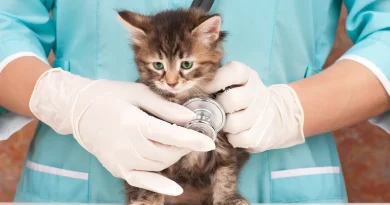
Unlike dogs, cats do not require separate pet liability insurance. Damage your cat causes to third parties is generally handled through your private liability insurance, not through a standalone cat liability policy. Dog owners should read our dedicated dog insurance in Germany guide, because dogs usually require a separate liability policy.
Even if you only live in Germany for a limited time, you should not do without personal liability insurance. It protects you against personal injury, property damage, and financial loss you may cause others. While minor damages are common, personal injury carries the highest financial risk, as liability in Germany is unlimited. Luckily, good policies are available for less than €5 per month.
Compulsory pet insurance in Germany
In Germany, dog liability insurance is mandatory for certain so-called dangerous breeds and, in some federal states, for all dogs. Dogs are generally not covered by their owners’ private liability insurance. For cats, however, there is no compulsory standalone liability insurance. Still, it is strongly recommended that cat owners take out both private liability insurance and cat health insurance to protect themselves from third-party liability risks and high veterinary costs.
Cats in personal liability insurance
If you have personal liability insurance, your cat is usually covered. It makes no difference whether your cat lives indoors or outdoors. Even in extreme cases — for example, if your cat runs onto the street and causes a car accident — the financial consequences may be included in your coverage, depending on your policy conditions.
Personal liability insurance with rental damage coverage (Mietsachschäden) can be very useful for tenants in Germany, but cat owners should read the exclusions carefully. It usually covers sudden, accidental damage to rented property, not gradual wear and tear or repeated scratching over time. Claw marks on doors, walls, wallpaper, or parquet floors are often treated as excessive use or gradual damage and may be excluded. Do not assume that every scratch your cat leaves in an apartment will be reimbursed at move-out.
Source: Deutscher Tierschutzbund e.V.
Types of Cat Insurance
In Germany, cats do not need standalone liability insurance like dogs. For medical costs, cat owners can usually choose between 2 main types of German cat insurance:
- Comprehensive pet health insurance covers a wider range of veterinary expenses, including accidents, illnesses, diagnostics, medication, surgery, and sometimes preventive care.
- Surgery-only insurance covers medically necessary operations and the directly related costs, such as anesthesia, diagnostics, medication, and post-operative care.
Damage caused by cats to third parties is usually handled through the owner’s private liability insurance, not through a separate cat liability policy.
Pet Health Insurance
Cat and dog health insurance covers the costs of veterinary treatment if your pet falls ill or suffers an accident. This insurance is available for both cats and dogs; however, premiums for cats are generally lower than those for dogs. For cat owners, it provides peace of mind that expensive treatments or long-term therapies won’t become a financial burden.
Benefits
Depending on the plan, benefits can include:
- Accommodation in a veterinary clinic
- Diagnostic tests and imaging
- Medication and consumables
- Medically necessary operations
- Non-surgical therapies
- Outpatient and inpatient treatment
Surgery and Comprehensive Pet Health Policies
In Germany, cat owners have the option to choose between surgery-only policies and comprehensive pet health insurance. Most cat insurance plans in Germany allow policyholders to visit any licensed veterinarian or veterinary clinic, including specialist practices. Pet insurance plans in Germany commonly cover medical treatments and prescribed medications.
A surgery plan is the more affordable option. It covers all costs directly related to an operation — including diagnostics, prescribed medication, hospital stays, and post-operative care, in addition to the surgery itself.
Comprehensive pet health insurance, by contrast, goes beyond surgical cases. It also covers treatment for illnesses that do not require an operation, such as infections, allergies, or chronic health conditions. For cat owners, this option provides the broadest protection, ensuring that everyday veterinary visits are included alongside major medical procedures.
In Germany, pet owners usually pay the vet invoice first and then submit it to their insurer for reimbursement. Direct billing between the vet and the insurer may be possible in individual cases, especially for expensive planned procedures, but it is not guaranteed. Expats should keep an emergency fund for upfront vet bills, even when they have cat insurance.
How Cat Insurance Claims Work
After treatment, ask the vet for a detailed invoice and pay it yourself first. Then upload the invoice through the insurer’s app, portal, or email process. The insurer checks whether the treatment is covered, whether the waiting period has passed, whether the GOT multiplier is reimbursable under your tariff, and whether exclusions such as pre-existing conditions apply. Reimbursement is then paid back to your bank account. For expensive planned treatment, ask the insurer for written pre-approval before the appointment whenever possible.
Moving to Germany With an Existing Cat
If you move to Germany with a cat that is already older or has previous health issues, buy insurance as early as possible after arrival. Insurers may exclude pre-existing conditions, apply waiting periods, or reject older cats depending on the tariff. Bring your cat’s vaccination records, previous diagnoses, surgery history, and medication list, as insurers or vets may ask for this information.
If you have more than one cat, it can make sense to insure them under a single policy. Many insurers offer discounts when several pets are covered together. Getsafe makes this process especially convenient: during the digital application, you are asked whether you want to insure multiple pets, and you immediately receive a combined offer and contract for all of them. The onboarding is quick, fully digital, and designed to make the entire process as simple as possible.
Choosing the Right Cat Insurance
When selecting your cat insurance, several key factors should be taken into consideration. These include:
- Cost: Compare monthly premiums and value for money.
- Coverage: Decide whether you need surgery-only coverage or a comprehensive plan.
- Deductible: Choose between policies with or without deductibles, depending on your budget.
- Exclusions: Typical exclusions in pet insurance policies include pre-existing health conditions and elective or cosmetic procedures. Policies may also exclude procedures that are not medically necessary, such as neutering done purely to prevent breeding.
- Waiting periods: Most pet insurance policies include waiting periods, with accident coverage often beginning immediately and illness coverage starting after a defined period. Typically 1 to 3 months for general coverage, and up to one year or 18 months for certain illnesses. For accidents, there are usually no waiting periods.
Take time to review the terms and conditions carefully, as benefits vary significantly between pet health insurance providers. Certain plans provide a preventive care allowance that contributes toward vaccinations and routine veterinary examinations.
As a cat owner, it pays to choose a reputable company with clear contracts, comprehensive coverage, and reliable customer service.
Best Cat Insurance Companies in Germany
Several insurers offer cat health insurance, but not all are equally suitable for expats. Based on experience, the following providers stand out:
- Feather – clear policies in English, fully digital, tailored to expats.
- Getsafe – strong digital management, flexible tariffs, English support.
- Lassie – innovative and app-based, with a focus on digital pet insurance.
These providers offer different plan levels, ranging from surgery-only to comprehensive coverage that includes preventive care, veterinary video consultations, and even worldwide protection. For expats, the availability of English-language support and easy app-based management makes these companies particularly attractive.
Cat owners should always compare different insurance providers to find the best pet insurance for their needs and budget.
How to Get the Best Pet Health Insurance Cost
The main factors influencing the cost of cat insurance are:
- The type of coverage you select
- The chosen deductible
- Your cat’s age
Premiums are usually higher for outdoor cats. Since prices and benefits vary significantly, it is advisable to compare multiple providers before signing a contract. Policies may specify annual coverage limits and varying reimbursement percentages depending on the selected plan.
Please keep in mind: Insuring your cat early not only secures lower premiums but also ensures lifelong coverage without gaps.
As a financial journalist with long-standing experience in expat topics, I know how quickly unexpected veterinary costs can become a real burden for international families in Germany. Cat health insurance is not just about protecting your pet’s well-being — it also gives you financial security and peace of mind. From my perspective, choosing a reputable insurer with clear English-language policies and digital management makes the process much easier for expats.
Conclusion
Cat health insurance is a smart way to protect yourself from high and unexpected veterinary costs while ensuring your cat always receives the best possible care. For owners, it means peace of mind knowing that financial concerns do not limit medical decisions.
The optimal setup is to combine cat health insurance with a private liability policy, giving you comprehensive protection for both veterinary expenses and third-party liability risks. However, private liability insurance should not be mistaken for full apartment-renovation protection: gradual scratches, claw marks, and wear-and-tear damage in rented flats are often excluded.
As a cat owner in Germany — especially as an expat — you should carefully compare providers, focusing on clear policies, English-language support, dental coverage, direct-claim handling, waiting periods, exclusions for pre-existing conditions, and digital management. This way, you can choose the policy that best fits both your cat’s needs and your budget.
Frequently Asked Questions
Yes. Pet health insurance policies generally include free choice of veterinarian. You can also select the clinic where your cat will be treated as an inpatient.
I recommend comprehensive coverage, as it includes both surgical and non-surgical treatments. With tiered coverage and pricing, you can find high-quality policies at affordable rates.
No. When applying for pet insurance, you must provide your cat’s age and whether it is an indoor or outdoor cat. Pre-existing illnesses are excluded, and cats with certain conditions are often not insurable. Insurers clearly define these exclusions in their terms. If you knowingly ignore them when signing a policy, the insurer may cancel the contract and deny benefits.
This depends on the insurer’s conditions. The standard notice period is usually 1 to 3 months, often with termination only possible after the first year. After a premium increase, you generally have a special right of termination, which must be exercised within 30 days.
Pet health insurance is designed as long-term protection, ideally covering your cat throughout its life. Just as in human medicine, diagnostic and treatment options are advancing, and costs are rising. Premium adjustments ensure that the agreed coverage remains reliable. Some insurers link increases to your cat’s age.
Even if premiums rise, switching is not always beneficial. With age, cats become more expensive to insure, and pre-existing conditions may limit your options. Finding new coverage for older cats can be difficult.
Age limits depend on the provider. For example, Feather accepts new cats only up to 6 years of age, while Getsafe allows enrollment until 8 years. Lassie stands out because it has no upper age limit at entry. However, older cats may still face higher premiums, exclusions for pre-existing conditions, or waiting periods. Once a policy is active, check whether the provider guarantees lifelong coverage and under what conditions.