
How we earn our money
We finance our services on how-to-germany.com through affiliate programs.
When a user orders a financial product through our site and their application is approved, we may receive a commission from some providers. It’s important to note that this does not in any way influence our independent ratings and recommendations.
All the products we present on how-to-germany.com are selected for their quality, range of services, and excellent value for money.
Best Travel Credit Cards in Germany
 Written by
Janine El-Saghir
Janine El Saghir is an editor at How-to-Germany.com, where she specializes in the practical aspects of daily life and integration for expatriates. With years of...
Written by
Janine El-Saghir
Janine El Saghir is an editor at How-to-Germany.com, where she specializes in the practical aspects of daily life and integration for expatriates. With years of...
 Reviewed by
Erkan Boga
Erkan Boga is the founder and CEO of qmedia GmbH, the publishing house behind How-to-Germany.com. He established the platform with the clear vision of creating...
Reviewed by
Erkan Boga
Erkan Boga is the founder and CEO of qmedia GmbH, the publishing house behind How-to-Germany.com. He established the platform with the clear vision of creating...
 Edited by
Sadie Voss
Content Lead & Editor
Sadie Voss is the Lead Editor for How-to-Germany.com. As an expat who carved her own way into Berlin from the United States, Sadie is deeply...
Edited by
Sadie Voss
Content Lead & Editor
Sadie Voss is the Lead Editor for How-to-Germany.com. As an expat who carved her own way into Berlin from the United States, Sadie is deeply...
- Travel credit cards help reduce foreign transaction fees, offer insurance, and provide flexible payment options while abroad.
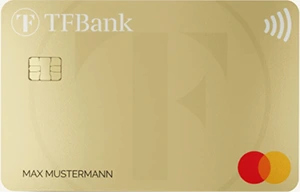
- Free credit cards, such as easybank Visa, may waive foreign transaction fees but do not necessarily include travel insurance. TF Bank Mastercard Gold includes travel insurance, subject to its conditions.
- Premium cards (e.g., Amex Platinum, easybank Platinum Double) offer lounge access, extensive insurance, and VIP perks.
- Some mid-range and free credit cards also offer attractive travel benefits such as insurance and bonus programs, but benefits differ significantly by card.
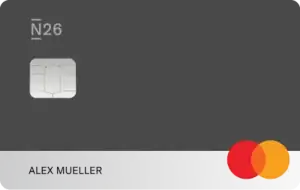
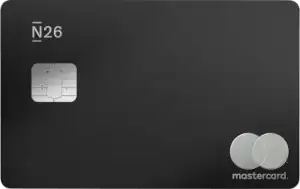
- Some debit cards (N26, Revolut, Trade Republic) are suitable alternatives with real-time spending control and low fees.
- Watch for hidden costs, such as ATM and foreign currency fees, paid automatic repayment, or insurance conditions tied to card usage. If you carry a balance on a revolving credit card, you may have to pay interest of 20% or more on your outstanding debt.
- Matching your card to your travel profile and spending habits is key. Frequent travelers benefit most from premium features and rewards.
Best All-Around Travel Credit Cards
Advertising notice: provider links in this overview are affiliate links — we receive a commission from the provider for sign-ups made through them.
Best Travel Debit Cards

Advertising notice: provider links in this overview are affiliate links — we receive a commission from the provider for sign-ups made through them.
Best Travel Insurance & Bonus Miles Credit Cards
Advertising notice: provider links in this overview are affiliate links — we receive a commission from the provider for sign-ups made through them.
What Makes a Credit Card a Travel Card?
A travel credit card is designed to support you during international trips — whether for business, leisure, or long-term stays abroad. The most important features include no foreign transaction fees, low-cost cash withdrawals, travel insurance, and reward programs designed for frequent travelers.
Unlike regular credit cards, travel cards may offer added value when booking flights, hotels, or rental cars, along with protection for delays, baggage issues, or medical emergencies. These perks can help save money and reduce risk while traveling.
Visa, Mastercard, and American Express cards are widely accepted across Europe and internationally, although acceptance can vary by country and merchant.
You don’t always need a premium card to benefit from useful travel features. Some free credit cards in Germany offer fee-free foreign-currency purchases or travel insurance, but the benefits must be checked separately:
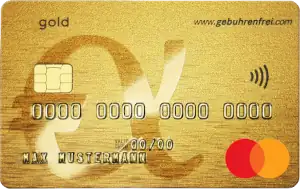
- Advanzia No-Fee Mastercard Gold: Includes a basic travel-insurance package and waives foreign transaction fees, but cash withdrawals accrue interest immediately and monthly repayment is normally made manually.
- easybank Visa: Waives foreign transaction fees and may offer fee-free ATM withdrawals under its conditions, but the standard card does not include travel insurance. Automatic 100% repayment by direct debit costs €2 per month.
- TF Bank Mastercard Gold: Includes travel insurance and waives foreign transaction fees, but cash withdrawals accrue interest immediately and statements must be repaid manually by bank transfer.
These cards can provide good value without annual fees, but they are not interchangeable. A card with no foreign transaction fee may still have repayment charges, immediate cash interest, or no insurance at all.
Premium and mid-range travel credit cards usually offer a broader range of features, including airport lounge access, comprehensive insurance packages, status upgrades, and travel discounts.
Co-branded airline and hotel cards are issued in partnership with travel brands such as Lufthansa or Hilton. These cards can offer points or miles, upgrades, and exclusive member benefits. Premium travel cards provide the most extensive benefits, including airport lounge access, broader insurance coverage, concierge services, and elevated reward rates, usually with a significant annual fee.
Types of Travel Credit Cards in Germany
Germany offers a wide range of travel credit cards — from simple no-fee options to fully equipped premium products. These are the main categories:
- Charge cards
Charge cards provide a short-term credit line with full repayment each month and no interest if paid on time. Some include insurance and travel benefits. Depending on the provider, the complete statement is collected every month or after an extended payment period. - Debit cards
Modern debit cards do not provide a credit line. Payments are deducted from the linked bank account or available balance. Providers such as Trade Republic, N26, and Revolut offer travel-oriented debit cards with app-based control, foreign-currency benefits, and selected free ATM withdrawals. Premium N26 cards such as N26 Go and Metal also include travel insurance and other benefits. - Revolving credit cards
Revolving cards allow flexible monthly repayments but charge interest on unpaid balances. Purchase transactions may include an interest-free grace period, while cash withdrawals can accrue interest immediately. Always check both the interest rate and the repayment method.
Prepaid cards play a minor role in Germany’s travel credit card market. They require funds to be loaded in advance and do not provide a credit line. Hotels and rental-car companies may reject them for deposits, and many prepaid cards charge annual or transaction fees without including travel insurance or lounge access. A debit or true credit card is generally a better travel option.
Who Benefits Most from Travel Credit Cards?
Travel credit cards are particularly useful for:
- Business travelers
Flight delays, lost luggage, and international expenses are common. Travel cards, especially when combined with business cards, can provide payment flexibility and insurance protection. - Digital nomads
Remote workers who frequently change locations benefit from financial flexibility, app-based control, and low-cost cross-border payments. - Expats
Living abroad often involves spending in different currencies. A travel card can reduce costs and provide protection when visiting your home country or traveling internationally. - Frequent vacationers
For those who fly several times a year, benefits such as insurance, reduced foreign fees, and rewards can add up.
Good Travel Credit Cards — What to Watch Out For
Annual Fees
Premium travel credit cards can cost anywhere from €100 to €700 or more per year. However, there are also mid-priced products and cards without an annual fee.
Expensive cards may include airport lounge access, travel upgrades, premium insurance, or credits. Their annual fee only provides value when these benefits are actually used.
If you travel occasionally, a card without an annual fee may be more cost-effective for foreign payments. However, neither should automatically be treated as an insured travel card.
We currently see very high rejection rates among expat applicants for easybank (formerly Barclays) and Eurowings credit cards. Applying may therefore not be advisable, particularly if you have recently moved to Germany or have a limited German credit history.
Some free credit cards, such as the TF Bank Mastercard Gold or Advanzia No-Fee Mastercard Gold, include travel-insurance packages despite having no annual fee. However, both require careful repayment management and charge immediate interest on cash withdrawals.
The Hanseatic Bank GoldCard costs €4.90 per month, or €58.80 per year. It provides broader travel insurance and premium services than the free GenialCard. The current standard new-customer terms do not advertise a general first-year fee waiver, so applicants should not assume that the first year will automatically be free.
Cash Withdrawal Fees
Many travel cards advertise fee-free cash withdrawals. This may mean only that the card provider does not charge a flat ATM transaction fee. It does not necessarily mean that withdrawing cash is free overall.
Potential costs include:
- ATM operator fees
- Dynamic currency conversion
- Immediate credit interest on the withdrawal
- Minimum withdrawal amounts
- Regional or monthly withdrawal limits
In the premium segment, the easybank Platinum Double, for example, offers this advantage.
TF Bank and Advanzia may not charge a normal flat withdrawal fee, but cash withdrawals accrue interest from the transaction date. These withdrawals should therefore not be described as completely free.
Some travel cards allow withdrawals abroad without an issuer ATM fee but charge for domestic or Eurozone withdrawals. Others impose monthly limits or minimum withdrawal amounts.
Cards such as TF Bank and Advanzia can also charge immediate interest on cash withdrawals, even where no flat ATM fee applies. Always check both the transaction fee and interest conditions.
Currency Conversion Fees
Foreign exchange card fees can apply when you withdraw cash or pay in a foreign currency — for example, when booking hotels in USD or shopping in GBP. Some cards charge up to 3% per transaction. A strong travel card should waive or minimize these charges.
No-foreign-fee cards are frequently found among free credit cards and products in the mid-price segment. Some premium cards also waive foreign transaction fees.
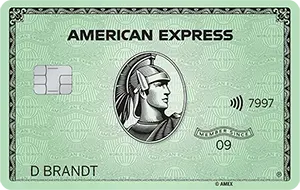
American Express cards can provide extensive travel benefits, insurance, and rewards. However, cash withdrawals and foreign-currency card payments generally carry fees. Frequent travelers may therefore pair an American Express card with a Visa or Mastercard that waives foreign transaction fees.
Travel Insurance Benefits
Many credit cards designed for travel include one or more types of insurance:
- Flight-delay and baggage insurance
- Rental-car insurance
- Transport-accident insurance
- Travel medical insurance
- Trip-cancellation or interruption insurance
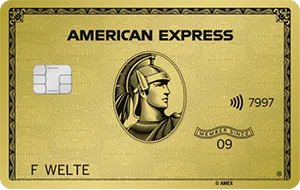
Insurance coverage varies significantly between cards. Premium products such as the American Express Gold and Platinum Cards or the easybank Platinum Double provide broader insurance packages.
Mid-range cards such as the easybank Gold Visa and selected free products such as the TF Bank Mastercard Gold and Advanzia No-Fee Mastercard Gold also provide travel insurance.
The standard easybank Visa does not include travel insurance and should not be grouped with these insured products.
N26 premium debit cards such as N26 Go and N26 Metal also include travel insurance and related benefits.
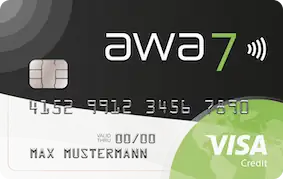
Some cards, such as the awa7 Visa Credit Card from Hanseatic Bank, allow customers to add travel insurance for an additional charge.
Insurance often applies only when the trip or rental car was paid partly or fully with the card. Exceptions may apply to selected premium products. Always review the insured persons, deductibles, trip-duration limits, exclusions, and card-use requirements.
Additional Benefits
Many travel credit cards offer additional services, particularly in the premium segment:
- Discounted or free airport-lounge access
- Discounts and status upgrades for hotels, travel, and rental cars
- Travel concierge services
- Travel and emergency assistance
Cashback and Bonus Programs
Some banks offer cashback cards or bonus points for online and in-store payments.
Bonus programs are available with products from American Express, Hanseatic Bank, airline partners, and other card issuers.
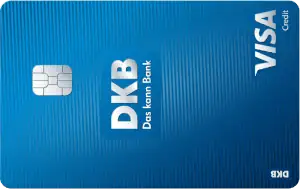
American Express credit cards, the Miles & More Mastercard Credit Cards issued by Deutsche Bank, and selected Eurowings credit cards are options for collecting miles.
The Miles & More credit cards in Germany are Mastercards, not Visa cards. Deutsche Bank replaced DKB as the issuing partner during the migration that began in late 2025. The former DKB-issued Miles & More cards became invalid by April 30, 2026.
Customers did not receive an automatic conversion to a new Deutsche Bank card. They had to apply for a new product and complete Deutsche Bank’s identity and creditworthiness checks. Cardholders who did not migrate by the deadline could no longer use the former DKB card after April 30, 2026.
The current Deutsche Bank portfolio includes products for private and business customers, with different fees, earning rates, insurance packages, and additional benefits. The current products should be compared directly rather than relying on the former DKB Blue and Gold product names.
Miles can generally be redeemed for flights, upgrades, hotels, or other rewards, subject to the loyalty program’s rules.
Some co-branded cards require substantial monthly spending to produce meaningful rewards. Others cap earnings or charge annual fees that reduce their value. Occasional travelers should compare the realistic value of the miles earned against the complete card cost.
Barclays sold its German consumer credit-card and retail-banking business to BAWAG Group. The former Barclays products continued under the Barclays name temporarily before the portfolio was rebranded to easybank in February 2026.
Cards offering cashback on purchases are not automatically strong travel cards. Products such as the American Express Payback Card may offer rewards but relatively limited travel benefits.
The Trade Republic Visa Debit Card may suit travelers who do not require a credit line and prefer worldwide payment conditions combined with a savings-based reward feature.
Premium Travel Credit Cards – Ideal for Frequent Travelers
If you travel often, investing in a premium travel credit card can be worthwhile. These cards generally have higher annual fees but provide benefits beyond those of standard products.
The American Express Platinum Card costs €720 per year and includes airport-lounge access, hotel and rental-car status benefits, travel and lifestyle credits, supplementary cards, insurance, concierge services, and Membership Rewards.
The American Express Centurion Card, often called the Black Amex, is invitation-only. It is intended for selected high-spending customers and provides premium concierge and travel benefits. The product is not available through a normal public application.
More moderately priced premium products include the easybank Gold Visa Credit Card, the easybank Platinum Double, and the Hanseatic Bank GoldCard. These can combine travel insurance, reduced foreign fees, and other benefits, although their annual fees and insurance coverage differ.
The Hanseatic Bank GoldCard costs exactly €4.90 per month, or €58.80 per year. This places it slightly below a general €59–€100 annual-fee range. The current standard new-customer conditions do not list a universal first-year fee waiver. Any temporary promotion should therefore be verified at the time of application and described separately from the normal card price.
Best Travel Credit Cards in Germany
Numerous banks and financial providers offer travel credit cards in Germany. The best choice depends on whether you prioritize insurance, miles, foreign-currency payments, lounge access, cash withdrawals, or a low annual fee.
Best Free Credit Cards for Travel
Cards with no annual fee can provide good value, especially if they allow foreign-currency purchases without an additional issuer markup.
However, a card is not fully free merely because it has no annual fee. Important additional costs include:
- Cash-withdrawal interest
- Foreign transaction fees
- Interest on unpaid statement balances
- Manual repayment risks
- Paid automatic full repayment
The easybank Visa has no annual fee and waives foreign transaction fees, but automatic 100% repayment costs €2 per month. It also does not include travel insurance.
TF Bank and Advanzia include travel insurance and no annual fee, but cash withdrawals accrue immediate interest and repayment normally requires careful manual management.
How to Choose the Right Travel Credit Card
To find the best travel credit card for your needs, identify which features matter most and what fees you are willing to pay.
A high-priced premium card may be worthwhile if you regularly use its lounges, insurance, credits, and rewards. A free card may be better for occasional travel when you mainly need fee-free foreign-currency purchases.
Key Factors to Consider
- Additional travel perks and rewards: Lounge access, credits, miles, cashback, and status benefits.
- Card costs: Annual fees, monthly charges, introductory promotions, and fees for automatic repayment.
- Card type: Charge cards, revolving cards, or debit cards.
- Cash withdrawals: Flat fees, ATM charges, interest, and regional limits.
- Foreign fees: Currency-conversion charges and exchange-rate treatment.
- Linked bank account: Whether a specific current account is required.
- Repayment method: Automatic full debit, paid direct debit, installments, or manual transfer.
- Travel insurance: Included cover, payment requirements, deductibles, exclusions, and insured persons.
Combination of Different Credit Cards
Sometimes, using two cards in combination makes sense. For example, an American Express Gold or Platinum can provide insurance, lounge access, and rewards but charge fees for foreign payments and ATM withdrawals.
Pairing it with a complementary card, such as the easybank Visa or TF Bank Mastercard Gold, can reduce foreign-currency payment fees. However, each companion card has important conditions:
- easybank Visa: No included travel insurance. Automatic 100% direct-debit repayment costs €2 per month; avoiding the charge requires active monthly repayment management.
- TF Bank Mastercard Gold: Includes travel insurance, but statements are normally repaid manually and cash withdrawals accrue interest immediately.
The safest combination is one in which you clearly separate each card’s purpose. For example, use the premium card for insured travel bookings and rewards, and use the no-foreign-fee card for ordinary purchases abroad.
Cash withdrawals generally do not earn rewards or miles and may trigger immediate interest, so they should be handled separately.
Conclusion – Is a Travel Credit Card Worth It?
A good travel credit card can reduce costs, provide insurance, and improve payment flexibility abroad. The right option depends on whether you are a frequent flyer, digital nomad, expat, business traveler, or occasional vacationer.
Free cards can offer strong foreign-payment conditions, but their benefits should not be overstated. The standard cards usually do not include travel insurance. TF Bank, for example, can include travel insurance but require careful repayment management and charge immediate interest on cash withdrawals.
Ultimately, compare the full cost structure, repayment process, insurance terms, and foreign-payment conditions. Combining two cards can be useful, but only when each card has a clearly defined role and its hidden costs are understood.
Frequently Asked Questions — FAQ
Applying for a travel credit card in Germany is typically a quick process that can be completed entirely online. Most banks and card issuers offer an online application form where you’ll need to enter your personal details, including your name, address, income, and residency status. You will also need to complete an identification process, which can be done regularly through a video call (VideoIdent) or by uploading a valid ID.
A credit check via Schufa is typically required for standard or premium cards. The result of this check can affect whether you’re approved and what credit limit you’re given. For some debit travel cards, no Schufa check is necessary.
Once your application is approved, you’ll receive your card by post. To start using it, you typically need to complete the credit card activation process, which usually involves submitting a one-time code via email, SMS, or through the banking app for your card.
Schufa is Germany’s main credit bureau, tracking your financial behavior — including loans, mobile contracts, and bill payments. When you apply for a credit card, banks use your Schufa report to assess your credit history and calculate a credit score.
A good credit score increases your chances of being approved and receiving a higher credit limit. As a newcomer to Germany, you may have no Schufa record yet, which can limit your options. In this case, it’s often easier to start with a debit or prepaid card and build your credit gradually by making timely payments and avoiding unauthorized overdrafts on your bank account.
Yes, nearly all travel credit cards in Germany support contactless payments, both domestically and internationally. You can tap your card on the terminal for fast, PIN-free purchases — typically up to €50 per transaction. For larger amounts, a PIN or biometric verification is required.
Most cards also support Apple Pay, Google Pay, and sometimes other digital wallets, allowing you to pay via smartphone or smartwatch. This adds another layer of convenience and security. Contactless functionality can usually be activated or deactivated via your banking app.
German travel credit cards offer strong security standards, including chip-and-PIN technology, real-time transaction alerts, and optional biometric login via the banking app. For the cards, apply the Mastercard Identity Check, Visa Secure, or American Express SafeKey — a 2-factor authentication protocol that verifies online payments via biometric or app-based approval.
Contactless payments are also secure. Transactions are encrypted and limited to small amounts (usually up to €50) without requiring a PIN. For added safety, you can manage or turn off the contactless feature through your card’s account banking app.
Whether you can use a personal travel credit card for business expenses depends on the card issuer’s terms and conditions. Many credit card providers in Germany explicitly prohibit the business use of personal credit cards in their general terms and conditions. In such cases — for example, with providers like Commerzbank or American Express — dedicated business credit cards are available. These are tailored to company needs and often include valuable travel benefits.
Other issuers, such as Barclays, do not differentiate between personal and business use, allowing greater flexibility. However, if you frequently incur business-related travel costs, a business credit card may offer better features, clearer expense tracking, and separate accounting.