
How we earn our money
We finance our services on how-to-germany.com through affiliate programs.
When a user orders a financial product through our site and their application is approved, we may receive a commission from some providers. It’s important to note that this does not in any way influence our independent ratings and recommendations.
All the products we present on how-to-germany.com are selected for their quality, range of services, and excellent value for money.
Bike & e-Bike Insurance in Germany
 Written by
Janine El-Saghir
Janine El Saghir is an editor at How-to-Germany.com, where she specializes in the practical aspects of daily life and integration for expatriates. With years of...
Written by
Janine El-Saghir
Janine El Saghir is an editor at How-to-Germany.com, where she specializes in the practical aspects of daily life and integration for expatriates. With years of...
 Reviewed by
Erkan Boga
Erkan Boga is the founder and CEO of qmedia GmbH, the publishing house behind How-to-Germany.com. He established the platform with the clear vision of creating...
Reviewed by
Erkan Boga
Erkan Boga is the founder and CEO of qmedia GmbH, the publishing house behind How-to-Germany.com. He established the platform with the clear vision of creating...
 Edited by
Sadie Voss
Content Lead & Editor
Sadie Voss is the Lead Editor for How-to-Germany.com. As an expat who carved her own way into Berlin from the United States, Sadie is deeply...
Edited by
Sadie Voss
Content Lead & Editor
Sadie Voss is the Lead Editor for How-to-Germany.com. As an expat who carved her own way into Berlin from the United States, Sadie is deeply...
- Purpose: Covers financial loss if your bicycle or e-bike is stolen or damaged. Some policies also cover repair costs for accidents or vandalism, as well as wear-and-tear damage on newer bikes.
- Types: Either as an add-on to household contents insurance (basic theft cover) or as a standalone bike policy with broader protection.
- Target group: Particularly relevant for expats with high-value bikes, e-bike users, and daily commuters in urban areas.
- Feather: Feather no longer offers standalone bicycle insurance. It now offers bicycle theft protection only as an add-on to its household contents insurance, with cover up to €3,000 for theft. Damage, vandalism, repairs, and wear and tear are not covered under this add-on.




Advertising notice: provider links in this overview are affiliate links — we receive a commission from the provider for sign-ups made through them.
Advertising notice: provider links in this overview are affiliate links — we receive a commission from the provider for sign-ups made through them.
Why Bike Insurance Matters in Germany
Cycling is an integral part of everyday life in Germany, serving both commuting and leisure purposes. It is not only practical but also environmentally friendly, making it even more critical to insure your bike with proper bicycle insurance cover. With premium bikes and e-bikes becoming increasingly popular, their value often runs into several thousand euros.
Official statistics show that bike theft remains a major issue in Germany. In 2025, around 214,300 bikes were reported stolen to the police. According to insurance industry data, around 115,000 insured bikes were stolen in the same year. The real number may be higher because not every theft is reported, and the recovery rate remains low at under 10%. Based on my professional experience with insurance in Germany, I can confirm that a reliable bicycle insurance policy is one of the most effective ways to protect your bike financially if your bike is stolen, damaged, or vandalized.
Such a bike insurance policy not only provides theft protection if your e-bike or bicycle is stolen, but can also offer insurance cover for repairs after accidents, vandalism, and e-bike battery damage. Some standalone policies even go further by including normal wear-and-tear insurance coverage for newer bikes, helping protect your purchase value with long-term peace of mind. However, household contents add-ons usually provide narrower protection and may only cover theft.
Tip: Consider Insurance Through a German Cycling Club
Many cyclists in Germany also look at membership benefits from cycling clubs or associations. Organizations such as ADFC (Allgemeiner Deutscher Fahrrad-Club) usually include basic breakdown or roadside assistance, known as Pannenhilfe, but full private theft, vandalism, or damage insurance is not automatically included in standard membership.
ADFC members can receive a discount on separate bicycle insurance products. For example, members may receive a 10% discount on the SofortschutzPLUS policy arranged through ADFC’s insurance broker partner P&P Pergande & Pöthe. This can be useful, but it should not be confused with automatic full bike theft or damage insurance through standard ADFC membership.
Club benefits vary widely. BIKE AID, for example, may provide sports liability protection for club events, but this is not the same as private bicycle theft or vandalism insurance for your own bike in everyday use. If you want theft, repair, vandalism, or wear-and-tear cover, you usually need a separate bike insurance policy or a household contents add-on.
Club-based or association-linked insurance typically requires proper bike registration. You’ll usually need your bike’s frame number (Rahmennummer), and unnumbered bikes may need to be coded through a dealer, the ADFC, or local police. Coverage terms vary, so always check whether the benefit is roadside assistance, liability protection, a discount on a separate policy, or actual bike theft and damage insurance.
As an insurance expert with personal and professional experience advising expats, I recommend that cyclists always combine both types of protection. While car and motorcycle owners in Germany are automatically covered through compulsory motor liability insurance, cyclists are not. Without a private liability policy, cyclists must pay for damages themselves, which is why combining private liability insurance with strong bike insurance protection is essential.
Bike Insurance in Germany
Definition and Purpose
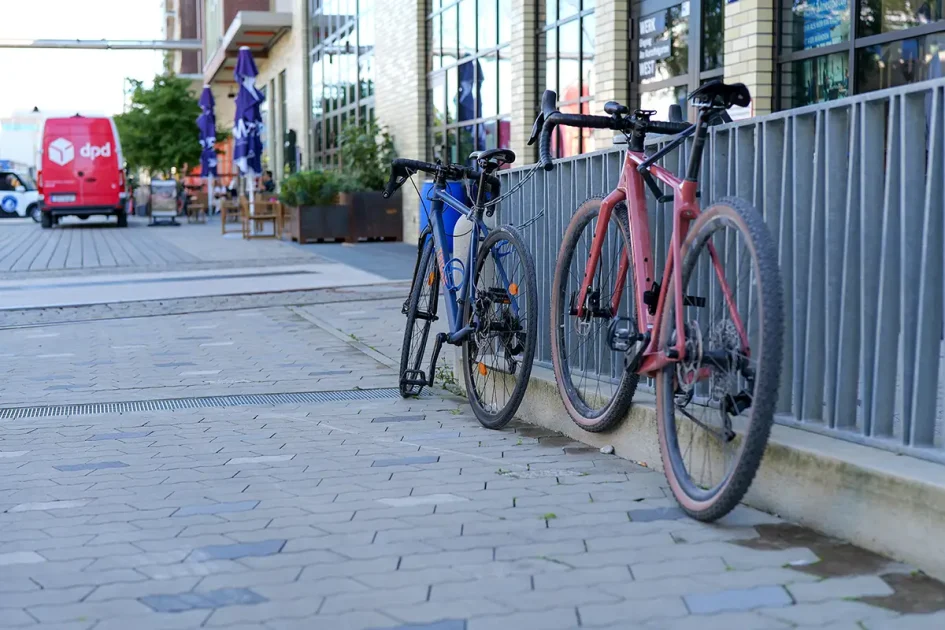
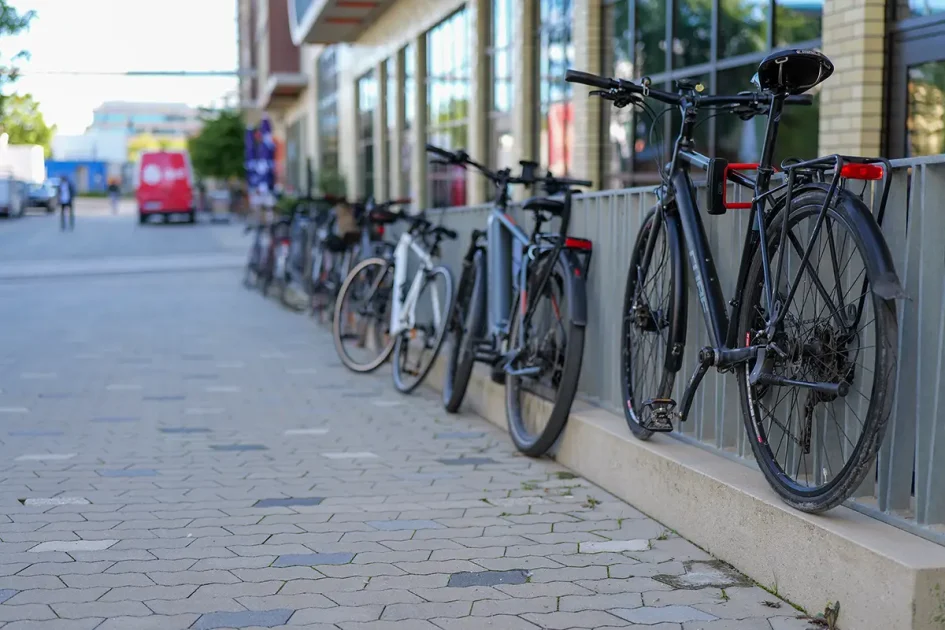
Bicycle insurance in Germany is a specialized form of financial protection that goes beyond the general scope of household insurance.
The policy ensures that a bike insured under the contract can be repaired or replaced if it is stolen, vandalized, or damaged in an accident. This applies equally to standard bikes, premium bikes, and e-bikes, which often represent a substantial investment.
The central purpose is not just compensation for loss but also the reassurance that cyclists can stay mobile without unexpected financial strain. For expats in particular, clear and transparent policies in English make it easier to understand the scope of insurance coverage — from theft protection to repairs and, in some cases, normal wear and tear.
Difference Between Bike Insurance and Liability Insurance
It is essential to distinguish bike insurance from liability insurance, as they protect against very different risks.
Liability insurance covers damage you cause to other people or property while cycling — for instance, if you collide with another cyclist.
Bike insurance, by contrast, is about safeguarding your own bike through theft protection and damage cover. Both types of insurance are valuable for cyclists in Germany, serving complementary purposes.
What Bike Insurance Can Cover
- Theft protection at home and outside
- Repairs after accidents or vandalism
- Accessories such as lights or saddles, depending on the policy
- Electronic damage, e.g., to an e-bike battery
- Coverage for normal wear and tear on newer bikes, including parts such as tires and brakes
- Replacement bike while repairs are carried out
| Risk or Damage | Typical Cost Without Insurance | How Bike Insurance Helps |
|---|---|---|
| Accident Damage | €150–€1,500 for frame repairs, wheel replacement, or drivetrain damage. | Covers repair costs or replacement if the damage is severe. |
| Bike Theft | €800–€5,000+ depending on the bike or e-bike value. | Insurance reimburses the insured value of the bike if it is stolen. |
| E-Bike Battery Damage | €400–€900 to replace a battery. | Many standalone bike insurance policies cover battery replacement or repair. |
| Stolen Accessories | €50–€400 for lights, saddles, bike computers, or locks. | Some policies reimburse accessories stolen together with the bike or separately. |
| Vandalism | €100–€1,000+ depending on the damage to components. | Standalone policies may pay for repairs or replacement of damaged parts. |
| Wear and Tear | €100–€500 annually for tires, brakes, chains, and other components. | Premium standalone policies may cover replacement of worn parts on newer bikes. |
Types of Bike Insurance
There are 2 main ways to arrange bike insurance in Germany. The type of policy you choose depends mainly on the value of your bike, how often you use it, and the level of protection you want.
Household Insurance with Bike Cover
Many cyclists rely on their household insurance to include a form of bike insurance cover. This option extends the protection of your home contents policy to your bicycle. It usually provides basic insurance against theft, but only up to a fixed amount and typically under specific conditions — for example, the bike must be locked against an immovable object with an approved bike lock or stored inside the building at night. Most insurers explicitly require the use of an approved lock to ensure that theft protection is in effect.
Feather now falls into this category. Feather’s current bike protection is available only as a supplementary add-on to its household contents insurance. It covers bicycle theft up to €3,000, but does not cover damage, vandalism, repair costs, or wear and tear. Users must first buy a Feather household contents policy, which starts at around €2.33 per month, and then add the bicycle theft rider if they want bike cover.
While this is sufficient for regular bikes or less expensive models, coverage is typically limited and rarely includes repairs or accessories.
Feather’s old standalone bicycle insurance quote examples are now obsolete. Feather discontinued its dedicated bike insurance product and now only offers bicycle theft protection through its household contents insurance add-on. Customers must buy a household contents policy before adding bike theft cover. For standalone bike insurance with theft, repairs, vandalism, or wear-and-tear cover, compare dedicated providers such as Helden.de or Hepster instead.
Standalone Bike Insurance
Based on my professional experience, standalone policies are often the only sensible choice for premium bikes and e-bikes, since household insurance rarely provides sufficient theft protection.
For those with premium bikes or high-value e-bikes, a dedicated bike insurance policy offers more comprehensive coverage.
This type of policy typically protects against theft anywhere in Germany, covers repairs after accidents or vandalism, and often includes accessories and sports equipment that are stolen separately. Some insurance companies even offer additional benefits, such as replacement bikes, worldwide coverage, or protection against electronic damage, including defective e-bike batteries. Compared to household policies, this approach provides far more security — but it also may come at a higher cost.
For expats who want full standalone bike cover, providers such as Helden.de or Hepster are more relevant comparison options than Feather, because Feather no longer sells a dedicated standalone bike insurance policy.
Conclusion
Bike insurance in Germany can protect against theft, repairs, vandalism, e-bike battery damage, and even wear and tear, depending on the policy. The right choice depends on the value of your bike and the type of protection you need.
For basic theft protection, a household contents insurance add-on may be enough, especially for regular bikes with a lower replacement value. Feather is now best understood in this category because its bicycle cover is only available as an add-on to household contents insurance and is limited to theft protection up to €3,000.
For high-value bikes, e-bikes, and daily commuters who want broader protection, standalone bicycle insurance is usually the stronger option. In that case, compare dedicated providers such as Helden.de or Hepster, especially if you need coverage for repairs, vandalism, accessories, battery damage, or wear and tear. Cycling clubs can still be useful for roadside assistance, discounts, or event-related liability benefits, but standard membership should not be treated as full private bike theft or vandalism insurance.
Frequently Asked Questions — FAQ
It depends on how much protection you want and how valuable your bicycle or e-bike is — because household insurance and standalone bike insurance cover very different risks.
Household insurance (contents insurance) typically only protects your bike against theft inside your home. Some policies allow you to add limited theft cover outside the home, but payouts are often capped and accidental damage, vandalism, battery damage, or wear-and-tear repairs are usually excluded. This option works best for low-value bikes where you mainly want basic theft protection.
By contrast, standalone bike insurance is designed specifically to protect your bike wherever you use it. A dedicated bicycle insurance policy usually covers:
- Theft at home and in public places
- Accidental damage and vandalism
- Repairs after crashes
- E-bike battery and electronics damage
- Accessories such as lights or saddles
- In some cases, normal wear-and-tear protection
If your bike is stolen, standalone coverage is also more likely to reimburse the full insured value or replacement cost, rather than a limited household payout.
Yes — while e-bike insurance and bicycle insurance are closely related, they are not always identical. The main difference is that e-bike insurance is designed to protect additional components such as the motor, battery, and electronics, which are typically not covered under basic bicycle insurance policies.
A standard bicycle insurance policy usually focuses on theft protection and accidental damage to traditional bikes. It may include vandalism coverage and repairs after crashes, but it does not always account for the higher value or technical complexity of electric bikes.
By contrast, e-bike insurance is tailored to the unique risks of electric bicycles and commonly covers:
- Theft of the e-bike at home and in public places
- Battery and electronic component damage
- Accidental damage and vandalism
- Repairs after crashes
- Accessories and attached equipment
- In some policies, wear-and-tear protection for key components
Because e-bikes are typically more expensive than standard bicycles, dedicated e-bike insurance often provides higher coverage limits and more comprehensive protection. Choosing the right insurance depends on your bike’s value, how often you ride, and the level of financial protection you want.
Yes, strong bike insurance can provide insurance cover and protection for accessories if your bike is stolen, but the exact terms depend on the policy. Dedicated bicycle insurance is designed to insure both the bike and attached accessories, helping protect their value if theft or damage occurs. Make sure your bike insurance plan covers both, as some cheaper plans exclude full protection, or have a replacement limit.
Usually, if your bike is stolen, a strong bike insurance policy can pay the full insured value or replacement cost, depending on the insurance cover you selected. Many standalone bicycle insurance plans are designed to protect the purchase value, especially for newer bikes or e-bikes.
However, age limits matter. Some insurers only offer full-value protection for bikes under 3 years or 5 years old, and older bikes may receive reduced payouts or limited theft coverage. Because these rules vary by policy, reviewing your insurance terms ensures you understand exactly how much protection applies if your bike is stolen.
In almost all cases you must properly lock your bike for insurance to pay if your bike is stolen. Most bike insurance policies require that the bicycle is secured with an approved lock whenever it is left unattended, as this is a core condition of the insurance cover.
If a theft occurs and the insurer determines the bike was not locked correctly, the claim may be reduced or denied. Reviewing your policy helps you understand what level of protection is required and ensures your insurance cover remains valid when you park your bike.
You can usually insure a used bicycle, but eligibility depends on the insurance policy and the bike’s age and value. Many bike insurance providers allow used bikes to be insured as long as you can prove ownership and declare a realistic purchase value.
However, some policies apply age limits, often around 3 years or 5 years, after which insurance cover may be reduced or unavailable. Reviewing the policy terms helps ensure you understand how much protection applies to a used bicycle before you insure it.
During the application process, you will need to provide key details, including your postal code, date of birth, type of bike, its value, and, most importantly, the bike’s frame number. If you don’t have this information, the value of your coverage may depreciate in the event of a theft.
Depending on the plan you pick, the claim process will be digital, by app, or on paper.
Each of our recommended services are designed to be simple and fast, allowing you to file a claim digitally via an app or through paper forms, ensuring reliable service and quicker payout handling.
Not every cyclist requires a bike insurance policy, but in many cases, it is highly recommended. Expats with premium bikes or e-bikes often choose insurance because the cost of replacement is substantial. Daily commuters in urban areas, where bike theft is especially common, also benefit from additional protection. Families who share bikes, including children’s bikes, may want coverage to avoid unexpected repair costs.
For casual cyclists with regular bikes of lower value, household insurance may be sufficient. In my experience, the decision comes down to balancing cost and risk: if replacing your bike would create a real financial burden, then dedicated bicycle insurance provides valuable peace of mind.
The cost of bike insurance in Germany primarily depends on the bike’s value, the level of coverage selected, and your location. Premiums rise with the insured sum, so a standard city bike is much cheaper to cover than a €10,000 e-bike. Urban areas with higher theft rates also tend to mean higher premiums than rural regions. Additional accessories, such as locks, child seats, or trailers, increase the insured sum and, therefore, the monthly cost.
In practice, premiums usually start in the lower double-digit range per month for standard commuter bikes, while high-value e-bikes can cost considerably more to insure. For example, when I requested a quote from Feather for a €2,000 bike in Berlin, the monthly premium was €22.48. High-value e-bikes can cost considerably more to insure, but a dedicated policy ensures that you are reimbursed for the full value of your bike within the insured sum.
The application process is typically fully digital and can be completed in just a few minutes. To set up a policy, you will need to provide basic details, including your postal code, date of birth, the type and value of your bike, and whether it is new or used. One important requirement is the bike’s frame number, which uniquely identifies your bike and must be recorded in the insurance contract. If your bike does not yet have a frame number, you are required to have it coded by a specialist retailer, the police, or the German Cycling Association (ADFC).
Once the information is submitted, the monthly premium is calculated individually based on the insured sum. Accessories can usually be added at any time by uploading the invoice in the provider’s app. From my experience, this flexible approach is especially helpful for expats who may need to purchase additional equipment after moving to Germany.
Whether your bike is protected outside Germany depends on the scope of your bike insurance policy. Some providers limit coverage to theft within Germany, while others offer worldwide coverage, ensuring your bike is insured even when you are traveling. Feather, for example, offers full global protection up to the insured sum.
If your stolen bike is covered by worldwide protection, the process is similar to a domestic claim: you must document the theft with photos and file a police report in the country where the incident occurred. The claim is then submitted through the insurer’s digital platform or app, along with the required documents such as the bike’s frame number, purchase invoice, and receipts for accessories.
Most insurers aim to process claims within a few weeks. In the meantime, some policies may provide a replacement bike if yours is under repair or being replaced, ensuring you stay mobile even during travel.