
How we earn our money
We finance our services on how-to-germany.com through affiliate programs.
When a user orders a financial product through our site and their application is approved, we may receive a commission from some providers. It’s important to note that this does not in any way influence our independent ratings and recommendations.
All the products we present on how-to-germany.com are selected for their quality, range of services, and excellent value for money.
Credit Cards With No Foreign Fees
 Written by
Janine El-Saghir
Janine El Saghir is an editor at How-to-Germany.com, where she specializes in the practical aspects of daily life and integration for expatriates. With years of...
Written by
Janine El-Saghir
Janine El Saghir is an editor at How-to-Germany.com, where she specializes in the practical aspects of daily life and integration for expatriates. With years of...
 Reviewed by
Erkan Boga
Erkan Boga is the founder and CEO of qmedia GmbH, the publishing house behind How-to-Germany.com. He established the platform with the clear vision of creating...
Reviewed by
Erkan Boga
Erkan Boga is the founder and CEO of qmedia GmbH, the publishing house behind How-to-Germany.com. He established the platform with the clear vision of creating...
 Edited by
Sadie Voss
Content Lead & Editor
Sadie Voss is the Lead Editor for How-to-Germany.com. As an expat who carved her own way into Berlin from the United States, Sadie is deeply...
Edited by
Sadie Voss
Content Lead & Editor
Sadie Voss is the Lead Editor for How-to-Germany.com. As an expat who carved her own way into Berlin from the United States, Sadie is deeply...
- What they are: Credit, debit, or prepaid cards that waive the usual 1–3% foreign transaction fees for purchases in non-euro currencies. Cash-withdrawal conditions must be checked separately.
- Who benefits: Expats, frequent travelers, digital nomads, online shoppers, and anyone making payments outside the Eurozone.
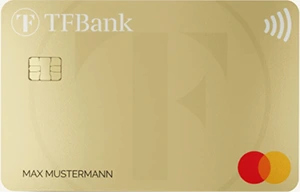
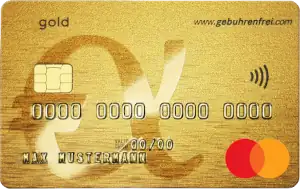
- Free options: Cards such as the easybank Visa, Hanseatic Bank GenialCard, TF Bank Mastercard Gold, and Advanzia No-Fee Mastercard Gold do not charge annual card fees or foreign transaction fees for purchases. However, easybank charges for automatic full repayment, while TF Bank and Advanzia charge immediate interest on cash withdrawals.
- Premium alternatives: Mid-tier and premium cards can combine fee-free spending with broader travel benefits. The easybank Platinum Double includes rental-car collision coverage, while the Hanseatic GoldCard includes travel insurance but not built-in rental-car protection.
- Strong debit cards: Providers like N26, Revolut, and Trade Republic offer modern debit cards with no or limited currency markups, real-time payment control, and generally easier access than credit cards.
- Key tips: Always disable dynamic currency conversion, check whether cash withdrawals trigger immediate interest, and confirm how the monthly statement must be repaid.

Advertising notice: provider links in this overview are affiliate links — we receive a commission from the provider for sign-ups made through them.
Fee-Free Credit Cards Abroad
The best credit cards without foreign exchange fees are ideal for anyone who spends money in other currencies — whether while traveling, shopping online, or living abroad. These cards waive the usual 1–3% foreign currency fees on non-euro payments, helping users save significantly over time.
However, “no foreign transaction fee” does not automatically mean that every type of transaction is free. A card may still charge interest on cash withdrawals, require manual monthly repayment, impose ATM limits, charge for automatic direct debit, or apply fees to domestic cash withdrawals.
In addition to zero foreign fees, many of these cards offer benefits in a credit card comparison, including cash withdrawals, travel card benefits, cashback card rewards, and bonus programs. While premium options provide the broadest set of features, some free cards can also provide good value when their repayment conditions are handled carefully.
If you’re looking for a credit card in Germany with no foreign currency fees, you’re almost always choosing between Visa and Mastercard. These networks are widely accepted both across Europe and internationally — whether you’re booking hotels, paying in restaurants, or making online payments in international currencies.
American Express cards, while offering strong travel benefits and insurance, generally do not waive foreign transaction fees or ATM withdrawal charges. Frequent travelers who want to avoid these fees should choose a Visa or Mastercard that explicitly waives foreign-currency charges and then check the separate cash-withdrawal and repayment conditions.
Germany offers several no-foreign-fee credit cards without a traditional annual card fee. Comparing free credit cards is essential because annual fees are only one part of the total cost.
Attractive options include the easybank Visa Card, the Hanseatic Bank GenialCard, the TF Bank Mastercard Gold, and the Advanzia Mastercard Gold. These cards do not charge an annual card fee and generally waive foreign transaction fees for card purchases.
We currently see very high rejection rates among expat applicants for easybank (formerly Barclays) and Eurowings credit cards. Applying may therefore not be advisable, particularly if you have recently moved to Germany or have a limited German credit history.
They should not, however, all be described as unconditionally free:
- Advanzia Mastercard Gold: Foreign-currency purchases may be fee-free, but cash withdrawals accrue high interest from the withdrawal date. The statement is normally repaid manually by bank transfer.
- easybank Visa: There is no annual card fee, but automatic 100% monthly repayment by direct debit costs €2 per month. To avoid that fee, the user must repay the full statement manually or actively use an available app-based repayment option.
- Hanseatic Bank GenialCard: There is no annual fee or foreign-currency payment fee. Cash withdrawals abroad are free of Hanseatic Bank withdrawal fees, although ATM operators may charge their own fees. Withdrawals at German ATMs cost €3.95. Partial repayment is preset, so users should change the repayment setting or repay the balance fully to avoid revolving interest.
- TF Bank Mastercard Gold: Foreign-currency purchases may be fee-free, but cash withdrawals accrue high interest immediately. Monthly statements must be repaid manually by bank transfer.
TF Bank and Advanzia do not normally charge a separate flat issuer fee for ATM withdrawals. However, both cards charge credit interest from the withdrawal date, with no interest-free grace period for cash.
Nominal or effective annual rates can exceed 20%. A withdrawal can therefore generate interest even when the complete monthly purchase statement is otherwise paid on time.
To minimize the cost, repay the withdrawn amount immediately rather than waiting for the next statement. For regular cash withdrawals, the Hanseatic GenialCard or an appropriate debit card may be safer, subject to their own domestic ATM and operator-fee conditions.
Premium and mid-tier cards, such as the easybank Platinum Double and the Hanseatic Bank GoldCard, offer fee-free foreign-currency spending and broader travel benefits. Their prices and insurance packages are not identical.
The easybank Platinum Double includes rental-car collision or damage coverage, subject to its policy conditions and coverage limits.
The Hanseatic GoldCard costs €4.90 per month, or €58.80 per year. Its SicherMobil package covers benefits such as trip cancellation and interruption, foreign medical expenses, baggage, flight or baggage delays, tickets, and emergency assistance. It does not include rental-car protection as a standard card benefit. Rental-car excess protection is available separately as an optional extension.
The GoldCard should therefore not be presented as free or as automatically including rental-car insurance. Hanseatic Bank’s current published new-customer terms do not state that the monthly card fee is waived after €3,000 of annual spending.
Free cards such as TF Bank and Advanzia can also include travel insurance. The insurance usually applies only when specific conditions are met, such as paying part or all of the trip with the card.
Types of No-Foreign-Fee Cards in Germany
Germany offers several credit card types that can waive foreign currency charges. Each type has its pros and cons:
- Charge cards
Charge cards offer short-term credit with full monthly repayment. As long as you pay your credit card bill on time, you can use these cards as an interest-free payment method. Some card providers offer extended payment terms of more than 30 days. However, many charge cards, including several American Express cards, charge fees for foreign-currency use. - Debit cards
Debit cards are linked directly to your bank account. Card purchases are deducted from the available account balance. Modern debit cards, such as the Trade Republic Visa Debit Card and cards from N26 and Revolut, offer instant payment control and app-based management. They can be a strong alternative for expats and digital nomads, especially for newcomers with little or no German credit history. - Prepaid cards
Prepaid cards must be topped up before use and normally do not provide a credit line. An example is the PayCenter SupremaCard, which is technically a prepaid debit Mastercard rather than a traditional credit card. It costs €79 per year and also charges €0.60 for incoming and outgoing transfers and €5 per ATM withdrawal. This makes it an expensive option unless a Schufa-free card is essential. - Revolving credit cards
Revolving cards allow users to borrow money and repay in monthly installments. They incur interest when the complete balance is not repaid under the card’s conditions. Many no-foreign-fee cards with a credit line in Germany are revolving cards. Their purchase transactions may have an interest-free payment period, but cash withdrawals can follow separate rules and may accrue interest immediately.
Prepaid cards can be obtained without a normal credit line and may be available without a Schufa check. However, they often carry high fixed and transaction costs and may not be accepted for hotel deposits or rental-car bookings.
The PayCenter SupremaCard costs €79 per year, charges €0.60 for incoming and outgoing transfers, and charges €5 for every ATM withdrawal. A traveler making six withdrawals in one year would therefore pay €30 in withdrawal fees in addition to the €79 annual charge.
It should not be presented as a low-cost foreign-payment card. Its primary advantage is accessibility for users who specifically require a prepaid, Schufa-free option.
Additional Benefits of No-Foreign-Fee Credit Cards
Many German cards that waive foreign transaction fees also include extras that can improve convenience or protection while spending abroad.
Possible additional features include:
- Apple Pay and Google Pay compatibility
- Bonus-point or cashback programs
- Contactless payments via NFC
- Extended warranties and purchase protection
- Free or fee-free ATM withdrawals, sometimes with limits, domestic fees, or immediate interest
- No credit history required for selected debit or prepaid cards
- Real-time spending notifications through an app
- Rental-car insurance on selected cards, but not all premium cards
- Travel insurance covering medical treatment, cancellation, baggage, or delays
The presence of travel insurance does not mean that every travel risk is covered. In particular, rental-car collision cover, rental-car liability, and rental-car excess reimbursement are distinct benefits and must be checked individually.
Foreign Transaction Fees Explained
Foreign transaction fees are extra charges applied when you pay in a currency other than euros — for example, when shopping online in USD or dining abroad in GBP. These fees usually consist of two components:
- Dynamic currency conversion: At some terminals, you’re offered the option to pay in euros instead of the local currency. This often uses an unfavorable exchange rate and can be more expensive than paying in the local currency.
- Foreign-currency markup: Many banks add a 1–3% fee when converting a foreign-currency transaction into euros.
Fee traps to avoid:
- Avoid cards that charge both a foreign transaction fee and high ATM or interest costs.
- Check whether cash withdrawals trigger interest from the transaction date.
- Check whether domestic and foreign ATM withdrawals have different conditions.
- Check whether full monthly repayment is automatic, manual, preset to installments, or subject to an extra fee.
- Choose to pay in the local currency rather than euros when abroad.
A card with no foreign transaction fee can eliminate the issuer’s conversion surcharge on purchases, but it does not eliminate unrelated interest, ATM, repayment, or account fees.
A cash withdrawal can cost money in several different ways:
- The card issuer may charge a flat ATM fee.
- The ATM operator may add its own local fee.
- The withdrawal may accrue credit interest immediately, even when the issuer advertises no flat withdrawal fee.
- Domestic and foreign withdrawals may have different fees.
- Dynamic currency conversion may apply if you accept conversion into euros.
TF Bank and Advanzia do not normally charge a separate flat withdrawal fee, but cash withdrawals accrue high interest from the transaction date without an interest-free grace period. Current annual rates can exceed 20%. Cash from these cards should therefore not be described as “free.”
The Hanseatic GenialCard does not charge a Hanseatic Bank fee for foreign ATM withdrawals, but it charges €3.95 at German ATMs. ATM operators may impose additional charges in either case.
Always check the ATM screen, choose the local currency, and review the card’s cash and interest conditions before withdrawing.
Best German Credit Cards with No Foreign Fees
Seeking a credit card that allows you to make payments abroad without additional conversion fees? There are several options in Germany, including free revolving cards, premium travel cards, debit cards, and prepaid products.
The right card depends not only on foreign transaction fees, but also on:
- Annual and monthly charges
- ATM operator fees
- Automatic, manual, or preset installment repayment
- Cash-withdrawal interest
- Domestic and international ATM conditions
- Insurance conditions
- Required checking accounts
Hanseatic GenialCard as a Free No-Foreign-Fee Option
The Hanseatic Bank GenialCard is one of the main free German credit cards for foreign-currency purchases.
Its core conditions include:
- Annual fee: €0 without a minimum-spending requirement
- Foreign ATM withdrawal fee: €0 from Hanseatic Bank, although the ATM operator may charge
- Foreign-currency payment fee: €0
- German ATM withdrawal fee: €3.95 per withdrawal
- Travel insurance: Not automatically included; optional insurance can be purchased separately
The card is preset to partial repayment. Users who do not want to carry revolving debt should change the repayment configuration or actively clear the full balance. Interest applies when a balance is repaid in installments.
Unlike TF Bank and Advanzia, the GenialCard is not marketed with the same immediate-interest-from-day-one cash-withdrawal structure. Nevertheless, carrying any unpaid revolving balance can still generate interest, so users should confirm their repayment settings before using the card.
Best Use Cases for No-Foreign-Fee Cards
Credit cards with no foreign transaction fees are ideal for individuals who frequently make purchases in other currencies, whether for personal, professional, or online transactions. The following groups benefit most:
- Digital nomads: People who work remotely and move between countries need reliable, cost-effective business cards and payment methods.
- Expats: International purchases and spending in a home country can be regular expenses. A no-foreign-fee card reduces currency-conversion charges.
- Online shoppers: Users purchasing from international stores outside the Eurozone can avoid a typical 1–3% issuer markup.
- Remote workers: International freelancers and employees may regularly spend in several currencies.
- Travelers: Avoiding foreign-currency charges when booking hotels, flights, or daily expenses can create meaningful savings.
No-Foreign-Fee Credit Card Risks
Despite the appeal of zero foreign transaction fees, there are still potential drawbacks and hidden costs:
- ATM charges: The issuer or ATM operator may charge a fee.
- Cash interest: TF Bank and Advanzia charge interest on withdrawals from the transaction date, even without a flat ATM fee.
- Domestic withdrawal fees: The Hanseatic GenialCard charges €3.95 for withdrawals at German ATMs despite offering free withdrawals abroad.
- Insurance conditions: The trip may need to be paid partly or fully with the card.
- Other hidden costs: Minimum withdrawal amounts, paper-statement fees, account fees, and poor DCC exchange rates may apply.
- Premium-card fees: The Hanseatic GoldCard costs €4.90 per month, or €58.80 per year.
- Repayment charges: easybank Visa charges €2 per month for automatic 100% full repayment.
- Repayment defaults: Some revolving cards are preset to partial repayment rather than full monthly settlement.
- Repayment method: Some revolving cards require a manual bank transfer every month.
A card is only truly cost-effective when all its conditions fit your spending and repayment habits.
The Main Billing Traps on “Free” Credit Cards
easybank Visa: The card has no annual fee, but automatic full repayment through direct debit costs €2 per month. Paying the complete statement manually avoids this €24 annual cost but creates a risk of late payment if the transfer is forgotten.
Hanseatic GenialCard: The card has no annual fee, but partial repayment is preset. Users who leave the default unchanged may pay revolving interest. Full repayment should be configured or completed actively. Foreign withdrawals are free of Hanseatic Bank fees, but German ATM withdrawals cost €3.95.
TF Bank Mastercard Gold: Monthly bills must normally be paid manually by bank transfer. Cash withdrawals accrue interest immediately. Users must transfer the complete amount by the due date to avoid purchase interest.
Advanzia Mastercard Gold: Manual bank transfer is the standard repayment method. Cash withdrawals accrue interest immediately. Any direct-debit arrangement requires a separate process and should not be assumed to be active.
A revolving card can cost far more than a premium card if a statement is paid late, partial repayment remains enabled, or cash is withdrawn.
Before applying, confirm:
- Whether automatic full repayment carries a monthly fee
- Whether cash withdrawals have an interest-free period
- Whether partial repayment is preset
- Whether the complete statement is collected automatically
- The effective and nominal interest rates
- The payment deadline and required transfer reference
Set a calendar reminder several days before the due date when manual repayment is required.
When paying abroad, always choose to be charged in the local currency rather than euros. This helps avoid dynamic currency conversion, which often uses an unfavorable exchange rate.
Also check whether the transaction is a purchase or cash-like transaction. Money transfers, gambling, cryptocurrency purchases, and some financial services can be treated differently and may attract extra fees or immediate interest.
The same applies to online purchases in foreign currencies. Pay in the seller’s local currency unless your own card or account offers a clearly better guaranteed exchange rate.
Conclusion: Value of No-Foreign-Fee Credit Cards in Germany
No-foreign-fee cards can provide excellent value for people who regularly travel, shop online in other currencies, or maintain financial connections outside the Eurozone. Avoiding a 1–3% foreign-currency markup can produce meaningful savings over time.
However, “no foreign fee,” “free cash withdrawal,” and “no annual fee” describe separate features. A card can waive foreign-purchase fees while charging immediate cash interest, requiring manual repayment, defaulting to partial repayment, or charging for automatic full direct debit.
The easybank Visa has no annual card fee, but users pay €2 per month for automatic 100% repayment. Manual or active app repayment keeps the card free but requires careful monthly management.
TF Bank and Advanzia do not impose a normal flat issuer fee on cash withdrawals, but interest begins immediately and can exceed 20% per year. These withdrawals are therefore not genuinely free.
The Hanseatic GenialCard fills an important gap between these options. It has no annual fee or foreign-currency payment fee and offers foreign ATM withdrawals without a Hanseatic Bank fee. It does not impose the same advertised immediate cash-interest structure as TF Bank or Advanzia. However, German ATM withdrawals cost €3.95, partial repayment is preset, and travel insurance is not automatically included.
Premium cards also require close comparison. The easybank Platinum Double includes rental-car collision coverage, while the Hanseatic GoldCard’s included travel package does not include rental-car protection. The GoldCard costs €4.90 per month, or €58.80 per year, under the current new-customer terms. Its official product page does not currently state a €3,000 annual-spend fee waiver.
The PayCenter SupremaCard provides a Schufa-free prepaid option, but its €79 annual fee, €0.60 transfer charges, and €5 ATM fee make it poor value for routine international use.
Whether you choose a free revolving card, premium travel card, or modern debit card, compare the complete cost structure rather than the headline fee. Pay in the local currency, avoid unnecessary cash withdrawals on high-interest cards, and make sure you understand exactly how the monthly bill is repaid.
Frequently Asked Questions — FAQ
Applying for a credit card in Germany is typically a fast and fully digital process. Most providers offer an online application form, where you’ll be asked to enter personal details such as your name, address, income, and residency status. You will have to pass an identity verification — regularly via VideoIdent — and, depending on the card type, a Schufa credit check.
Once your application is approved, the card will be sent to you by post. Before using it, you must complete the credit card activation — usually by confirming a code sent via SMS or email or by activating the card within your banking app. Only then can you start making secure payments at home and abroad.
The Schufa is Germany’s leading credit bureau. It plays a key role when you apply for a credit card, as banks use your credit rating to assess how trustworthy you are as a borrower. Your Schufa record includes past financial behavior, such as loans, mobile contracts, or missed payments.
A good credit score improves your chances of getting approved and securing a higher credit limit. If you’re new to Germany and don’t yet have a Schufa record, you may initially be limited to debit or prepaid cards. Over time, building a positive credit history through regular, responsible use of financial products can help you access more attractive credit card options.
Yes, absolutely. These credit cards are ideal for online purchases in non-Euro currencies. They automatically convert the price using the current exchange rate, and with no foreign transaction fee, you save up to 3% per purchase. This makes them especially useful for online purchases on international shopping platforms.
Most cards from major banks and fintechs support online payments, NFC, and mobile wallets, such as Apple Pay and Google Pay. That means you can pay contactlessly with your phone or smartwatch while traveling, just like you would at home. Mobile payments are encrypted and secure, and they’re widely accepted across Europe and beyond.
Yes, many no-foreign-fee credit cards allow you to withdraw money at international ATMs without additional charges. However, conditions vary: some providers offer unlimited free withdrawals abroad, while others limit the number of free transactions per month or require a minimum withdrawal amount (e.g., €50 or €100).
Furthermore, be aware that some ATM operators may charge their fees, which your bank cannot refund. Additionally, some cards offer free cash withdrawals abroad, but not necessarily within Germany or the Eurozone; therefore, always check whether domestic ATM use is also covered.
Not necessarily. Many revolving credit cards in Germany come with an interest-free payment term, typically ranging from 30 to 60 days. If you pay your full statement balance within that time, you won’t pay interest at all. However, if you choose to repay in monthly installments or miss a due date, your provider will charge interest, sometimes at rates exceeding 20% annually. Always check the terms of your credit card to understand when interest applies and how to avoid it.