
How we earn our money
We finance our services on how-to-germany.com through affiliate programs.
When a user orders a financial product through our site and their application is approved, we may receive a commission from some providers. It’s important to note that this does not in any way influence our independent ratings and recommendations.
All the products we present on how-to-germany.com are selected for their quality, range of services, and excellent value for money.
Prepaid Credit Cards in Germany
- Prepaid credit cards are one of the four German card types that do not require a credit check, which means they can be obtained without a Schufa score or German credit history.
- They operate on a prepaid basis: you must load enough money onto the card for your planned expenses before using it, and you can only spend the amount you have deposited.
- Prepaid cards are accepted worldwide. They are either Visa or Mastercard credit cards and enable cash withdrawals, in-store payments, and online shopping. They are a safe and simple option for online payments, and everyday purchases.
- However, prepaid credit cards are often not accepted for car rentals, hotel reservations, or certain online services, as they do not allow for pre-authorizations.
- Because there is no credit line, there is also no risk of accumulating credit card debt.
- Prepaid cards are available to almost everyone, including students, freelancers, and newly arrived expats without a German bank account.
- Prepaid credit cards are a safe and simple option for online payments, and everyday purchases. Unlike traditional credit cards and debit cards, however, they usually do not offer additional services such as travel insurance, bonus programs, or cash back.
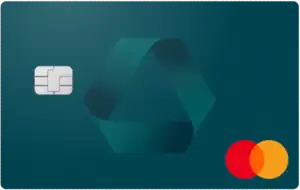
What Is a Prepaid Credit Card?
A prepaid credit card looks and functions like a regular credit or debit card, but it works on a preloaded balance. You top up the card in advance — either by bank transfer, cash deposit, or voucher — and can then use it for purchases and payments, just like any other card. The card only allows you to spend what you have loaded onto it, making it a secure and debt-free option.

How Prepaid Credit Cards Work
Before using a prepaid credit card, you must transfer money to the card’s balance. This balance acts as your spending limit. You can only spend money that is already on the card, helping you avoid unexpected expenses or overdrafts.
Most cards can be reloaded as often as needed, and some even support automatic top-ups from a linked bank account.
Prepaid cards are commonly issued by Mastercard or Visa, meaning they are broadly accepted in stores, for online payments, and for cash withdrawals, both in Germany and internationally.
However, because they are not tied to a credit line or checking account, prepaid cards may have limited functionality for services that require deposit reservations, such as hotel bookings or car rentals.
With most prepaid credit cards, you can also pay bills on your mobile phone via Apple Pay and Google Pay or contactless via NFC.
Key Differences from Debit and Credit Cards

- No credit function: Unlike credit cards, prepaid cards do not offer any borrowing or overdraft facility. You can only spend what you preload.
- No direct link to your bank account: In contrast to debit cards, prepaid cards are not automatically connected to your checking account. This provides an additional layer of security in the event of loss or theft.
- No Schufa check required: Most prepaid cards can be obtained without a credit check, making them accessible to people with no or limited credit history in Germany, including many expats and newcomers.
Pros and Cons of Prepaid Cards
- No risk of credit card debt
- No Schufa credit check required
- Safer for online purchases, as it is not linked to your main bank account
- Good for budgeting and financial discipline
- Available to minors and users with limited creditworthiness or financial history in Germany
- Limited acceptance for hotel bookings, car rentals, or deposit-based services
- No credit line, so no credit score improvement
- May include fees for top-ups, usage abroad, or inactivity
- Typically, no additional benefits
Who Should Use a Prepaid Card?
Prepaid credit cards are ideal for expats who have just arrived in Germany and do not yet have a Schufa credit score. Because these cards do not involve a credit check, they are easy to obtain and provide instant access to cashless payments and online shopping.
They are also well-suited for students, freelancers, and digital nomads who want a flexible, secure, and budget-friendly payment method. Since prepaid cards are not linked to a credit line, they eliminate the risk of falling into credit card debt — a major advantage for users with irregular income or limited financial history.
Finally, prepaid cards can be a useful secondary card for travel, budgeting, or specific purchases, especially when users want to separate certain expenses from their main account.
The Schufa is Germany’s main credit bureau and plays a central role in most financial decisions — including whether you can get a regular credit card, sign a phone contract, or rent an apartment. Your Schufa score reflects your creditworthiness based on your financial history in Germany, such as loans, bank accounts, and payment behavior. As an expat, you typically start with no Schufa history, meaning banks view you as an unknown risk. This can lead to rejections or limited credit offers. Prepaid credit cards are exempt from this system — they don’t require a Schufa check, making them the easiest way to get started with card payments in Germany. Over time, using a regular bank account and paying bills reliably will help you build a positive credit profile.
Top-Up Options & Daily Use
Prepaid credit cards in Germany are easy to use in everyday life — but first, they must be topped up with money. Since these cards have no credit line, they can only be used if sufficient funds are available.
How to Load Money onto a Prepaid Card
Most providers offer several top-up options:
- Bank transfer (SEPA): The most common method. You transfer money from your linked bank account to your prepaid card account. This may take 1–2 business days, depending on the provider. Alternatively, you use instant SEPA payments. They are increasingly offered free of charge, depending on your bank and card provider. Money is credited within seconds.
- Voucher or cash top-up: Some prepaid card issuers — especially those designed for teens or travel — support voucher codes that can be purchased at retail outlets or online. Others allow cash top-ups via a payment slip at a partner location (e.g., via barzahlen.de or Cash26).
- Standing orders or salary transfers: For long-term users, regular top-ups via standing order are also an option.
Top-Up Limits and Restrictions
Top-up limits vary depending on the card provider, the user’s age, and the account verification level. Common restrictions include:
- Daily limits: Often between €100 and €500.
- Monthly limits: Typically range from €1,000 to €5,000.
- Maximum total balance: Some providers limit the overall prepaid balance to around €1,800–2,000 (e.g., PayPal Prepaid Mastercard), particularly for unverified users. This means you cannot exceed that amount as your current balance. However, once you spend or withdraw money, you can top up again — as long as you stay within the allowed limits..
For example:
- A youth card may allow only €100/day and €500/month, while
- An adult user with full verification may have a €5,000 monthly top-up limit and a higher total balance cap.
These limits are designed to meet anti-money laundering regulations and promote responsible spending, particularly among young people.
Where and How You Can Use Your Prepaid Card
Once loaded, your prepaid credit card can be used like any other Mastercard or Visa card around the world for:
- In-store payments: At any terminal that accepts credit cards — including contactless and mobile payments (Apple Pay and Google Pay), allowing you to pay securely without carrying cash.
- Online shopping: Widely accepted for e-commerce transactions in Germany and abroad, prepaid cards offer a convenient and secure option for paying online.
- ATM withdrawals: Prepaid cards regularly support cash withdrawals, though fees may apply.
However, acceptance can be limited for specific use cases, such as:
- Car rentals and hotel bookings: These often require a card with a credit line to reserve a deposit. Most prepaid cards are declined in these scenarios.
- Subscription services: Some platforms may reject prepaid cards due to billing restrictions or concerns about fraud.
Prepaid cards do not contribute to building your credit history in Germany. Since they are not linked to a credit line and involve no borrowing, their usage is not reported to the Schufa or other credit bureaus. For expats seeking to enhance their creditworthiness over time, a prepaid card can be a helpful tool for managing spending; however, it won’t help establish or build a German credit profile. To make a credit history in Germany, expats should consider using a revolving or charge credit card or opening a current account with regular incoming payments to demonstrate financial reliability.
Costs for a Prepaid Credit Card
Prepaid credit cards are often marketed as low-cost alternatives to traditional credit cards — but fees still apply.
- Some providers charge a one-time issuance fee, typically between €5 and €50, depending on the card’s features and whether it’s virtual or physical.
- Most cards also carry an annual basic fee, typically ranging from €20 to €50 per year. Other providers charge monthly fees. However, free cards are also available.
- Top-up fees vary by method: standard SEPA transfers are usually free, while voucher-based charges or instant payments may incur extra costs.
- Cash withdrawals often come with charges ranging from €1.50 to €5 per transaction, plus potential foreign currency conversion fees of 1.75%–3%, and may be subject to other fees, depending on the ATM provider.
- Foreign transaction fees: Some prepaid cards charge a foreign currency fee of 1.5% to 3% on non-euro purchases.
Best Prepaid Credit Cards in Germany
Both traditional banks and online providers offer prepaid credit cards. Some of the best prepaid credit cards in Germany are:
- Commerzbank Prepaid Mastercard
- Postbank Visa Card Prepaid
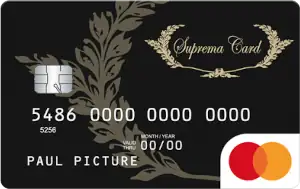
- Pay Center SupremaCard (Mastercard)
Alternative Credit Card Types for Expats
If a prepaid card doesn’t fully meet your needs, there are several other German credit cards to consider — each with its advantages and requirements:
- Debit cards are directly linked to your bank account and deduct payments immediately. They’re widely accepted and often available without a Schufa check, making them a great starting point for newcomers. Unlike charge and revolving cards, they do not come with a credit line.
- Charge cards require you to pay the full balance each month or after another defined payment period. No interest rates are payable if payment is made on time.
- Revolving cards let you split payments over time and repay in flexible installments. They offer real credit, but high interest rates apply if you don’t pay in full. Referencing the comprehensive credit card guide will show every option available in Germany, best suited to your individual needs.

Many charge and revolving cards offer additional services such as insurance, cash back, bonus programs, or discounts on car rentals and hotel bookings. We’ve ranked the best cashback cards in Germany, the best free cards, the best travel cards, and foreign exchange cards – all of which offer their own benefits. In addition, tiered cards for specific users, such as business cards, can also provide attractive additional services alongside premium debit cards, such as those from N26 or Revolut.
Debit Cards in Germany
Debit cards in Germany are the standard payment method for everyday transactions in Germany. For many expats, receiving a debit card is one of the first steps after opening a German bank account. They provide a simple and low-cost way to pay in shops, withdraw cash, and make online purchases. Because debit cards are directly connected to your current account, each payment is deducted instantly from your available balance, helping you keep track of your spending while offering secure and convenient access to your money.
Charge Cards in Germany
Charge cards are well-suited for expats who want to keep tight control over their spending while avoiding the risk of long-term debt. They allow flexible spending during the month and often include travel benefits and wide international acceptance. Unlike debit, prepaid, or revolving cards, the full balance must be paid at the end of each billing cycle, making them a more predictable and structured option for newcomers and professionals living in Germany.
Revolving Cards in Germany
Revolving cards are true credit cards that let you carry a balance over from one billing cycle to the next. Unlike charge cards, which must be paid in full each month, revolving cards offer the flexibility to repay your balance gradually through monthly installments.
Conclusion – Is a Prepaid Card Right for You?
Prepaid credit cards are a practical choice for expats who need a flexible, accessible payment method without relying on a Schufa score. They offer the convenience of online and in-store payments, while helping newcomers get started in the German financial system. However, they don’t help build credit and may be declined for car rentals, hotels, or subscriptions. You should decide whether flexibility and control outweigh the need for credit-building or broader acceptance – and compare cards that might better fit your needs.
If you value financial control and want to avoid credit debt, a prepaid card is a safe and useful option — especially during your first months in Germany.
Frequently Asked Questions
Applying for a prepaid credit card in Germany is typically a fast and straightforward process. You normally only need to provide your personal details and complete a brief identity verification, which can be done via a video call or an automated process. Once approved, you receive a virtual card immediately or a physical card by post within a few days. No salary statement or proof of income is required for most prepaid cards.
Most providers offer a mobile app or online account that allows you to check your balance, track spending, load money, and manage settings such as security options, transaction limits, and card blocking. Some cards also support instant notifications and budget tools for easier day-to-day control.
In most cases, no — a registered German address is required to receive the physical card and verify your identity. However, some international providers may offer virtual prepaid cards or alternatives for users without a permanent address in Germany. Always check the provider’s residency requirements before applying.