
How we earn our money
We finance our services on how-to-germany.com through affiliate programs.
When a user orders a financial product through our site and their application is approved, we may receive a commission from some providers. It’s important to note that this does not in any way influence our independent ratings and recommendations.
All the products we present on how-to-germany.com are selected for their quality, range of services, and excellent value for money.
Compare Credit Cards in Germany
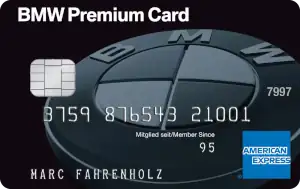
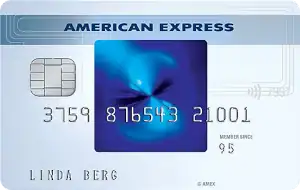
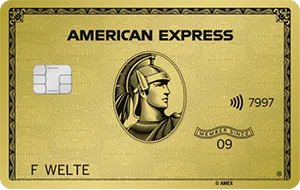
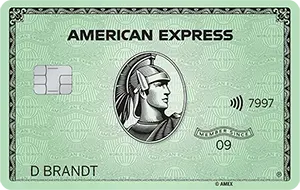
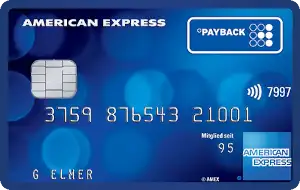
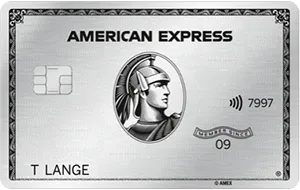



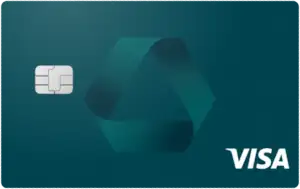
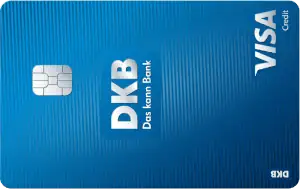
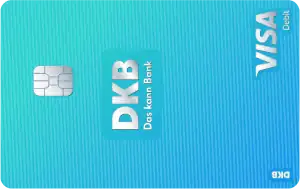
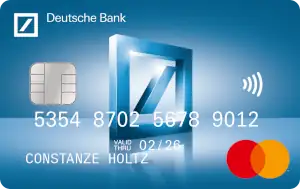
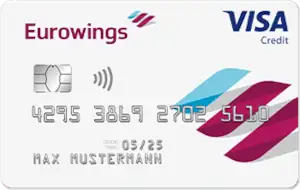
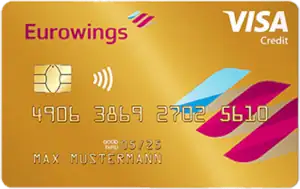
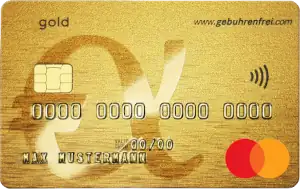
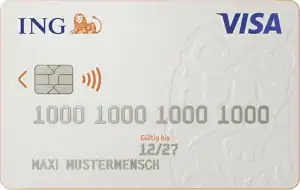
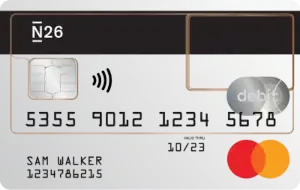




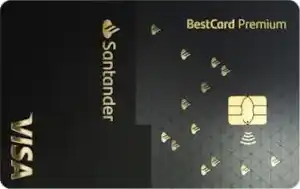
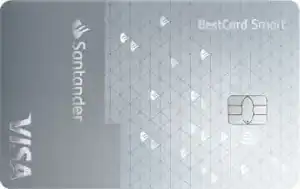
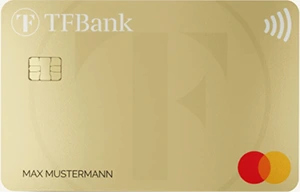

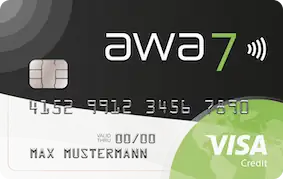

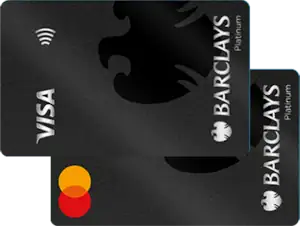
- Card types: Germany offers a variety of credit cards, including free cards with no annual fee, cashback cards, travel credit cards, and premium cards with insurance and lifestyle perks. Most are issued as Visa, Mastercard, or American Express.
- Top credit card providers: Leading credit card issuers include Barclays, Hanseatic Bank, American Express, DKB, and TF Bank. In the debit card segment, N26, Revolut, and Trade Republic are among the most popular options.
- Best free cards: Barclays Visa Credit Card, Hanseatic Bank GenialCard, TF Bank Mastercard Gold
- Best cashback cards: American Express cards, Hanseatic Bank credit cards (GenialCard, GoldCard, awa7), Payback Visa Credit Card
- Best travel cards: Ideal for international credit card payments, these cards offer no foreign transaction fees, free worldwide cash withdrawals, travel insurance, and other valuable extras. Options include free cards, such as the Barclays Visa and TF Bank Mastercard Gold; mid-tier cards, like the Hanseatic GoldCard; and premium cards, such as the Barclays Platinum Double.
- Best premium cards: High-end options, such as the American Express Gold and Platinum or the Barclays Platinum Double, offer generous credit limits, extensive travel benefits, comprehensive insurance packages, and valuable rewards for frequent travelers and high spenders.
Best Credit Cards in Germany – A Comprehensive Guide
Choosing the right credit card in Germany can be a game-changer, especially for expats navigating a new financial landscape. Whether you’re looking to earn cashback, travel without additional credit card fees, or avoid annual fees, Germany offers a wide range of credit card types to suit different spending habits, credit profiles, and lifestyle needs. But with so many options available, how do you find the one that’s right for you?
This guide offers a detailed overview of the best credit cards in Germany across four key categories:
- Free credit cards
- Travel credit cards
- Credit cards with no foreign fees
- Cashback and bonus cards
Credit Cards in Germany by Category — Quick Overview
| Feature | Free Credit Cards | Travel Credit Cards | No-Foreign-Fee Cards | Cashback & Bonus Cards |
|---|---|---|---|---|
| Annual Fee | 0 € | From 0 € to 150 €+ | 0 € to 99 €+ | 0 € to 140 €+ |
| Ideal for | Budget-conscious users | Frequent travelers | Expats & online shoppers | Everyday spenders |
| Travel Benefits | — | |||
| Cashback/Points | Rare or limited | Yes – the main feature | ||
|
Key: ✔ = Feature included or limited; — = Feature not included. |
||||
Understanding German Credit Card Types
Whether you’re an expat new to Germany or someone looking to upgrade their financial tools, understanding the different types of credit cards is essential. Unlike in many other countries, the German credit card market is structured around various card types — each with distinct features, limitations, and eligibility requirements.
Main Credit Card Types in Germany
Charge Cards
Charge cards require you to pay the full balance at the end of each month or payment term. You typically don’t pay interest as long as you settle your credit card bill in full each month. The open balance is typically debited from your linked bank account on the due date. American Express credit cards and some bank-issued Visa or Mastercard products in Germany operate on this model.
Revolving Credit Cards
Revolving cards allow you to carry a balance and pay in monthly installments, often with interest rates ranging from 15% to 25% annually.
If you pay your credit card bill in full within the interest-free payment period (between 30 and 60 days, depending on your credit card company), you will avoid these interest charges. The outstanding balance can be paid by individual bank transfer or automatic direct debit from your checking account. In the first case, you must strictly adhere to the payment date specified in your credit card statement; otherwise, you will pay interest on the entire outstanding amount even if you have planned a total payment.
Revolving credit cards are the closest equivalent to what many people consider “traditional” credit cards in other countries. Popular options include the Barclays Visa, the TF Bank Mastercard Gold, and the Hanseatic GenialCard.
Debit Cards
Traditional banks or fintechs like N26, Revolut, and Trade Republic issue debit cards, which do not have a credit line. These cards are directly linked to your bank account, and payments are deducted immediately. Modern Visa or Mastercard debit cards provide full support for international use, as well as Apple Pay and Google Pay, and contactless payments via NFC. Some don’t even require a Schufa credit rating.
Among others, digital neobanks N26 and Revolut have launched debit cards with attractive features and additional services, particularly in their premium segments. Trade Republic offers a free Visa debit card that combines excellent conditions for use abroad with a cashback model, whereby financial rewards are deposited into a securities savings plan.
Prepaid Cards
Prepaid cards must be loaded with funds in advance. They don’t allow overdrafts and typically don’t include perks like bonuses or insurance. While they can be useful for people without a long credit history in Germany, prepaid cards are rarely the best option for regular use. Often, they are not suitable for hotel bookings or car rentals.
Credit Card Networks in Germany
German-issued credit cards are widely accepted both in Germany and abroad due to their integration into international payment networks, such as Visa, Mastercard, or American Express.
While Visa and Mastercard dominate the market and are accepted virtually everywhere in Europe and beyond, American Express is less commonly accepted at smaller merchants and in rural areas. Other networks, such as Diners Club or JCB, play a negligible role in the German market and are rarely issued by German banks.
Most cards now support Apple Pay, Google Pay, and contactless payments via NFC, making them highly compatible with mobile wallets and modern point-of-sale terminals worldwide.
Credit Checks and the Role of the Schufa
Whether a credit check is required depends on the type of card. Revolving and charge credit cards include a credit limit and therefore require a Schufa check. However, depending on the credit card issuer, credit check requirements are handled with varying degrees of strictness.
In contrast, debit and prepaid cards may be available without a credit inquiry — making them especially relevant for expats without an established credit history.
The Schufa (Schutzgemeinschaft für allgemeine Kreditsicherung) is Germany’s main credit reporting agency. It collects data on your financial behavior — such as mobile contracts, loan payments, and missed bills — and calculates your credit score. A good Schufa score is crucial for obtaining approval for credit cards, loans, and rental apartments. If you’re new in Germany and don’t yet have a credit history, consider starting with a debit card or a prepaid credit card while you build your record.
Why Expats May Need Different Credit Card Types
Expats often face unique challenges when applying for a credit card in Germany:
- Lack of Schufa history: Without a German credit file, it’s harder to qualify for traditional credit cards.
- Limited income documentation: Freelancers or self-employed individuals may struggle to provide the proof of income that banks typically require.
- Short-term residency status: Some banks prefer customers with permanent or long-term visas.
For these reasons, many expats start with a debit or prepaid option from neobanks or fintech companies, which often issue their cards without a Schufa check and with fewer stringent inquiries regarding income and professional status than traditional banks.
Free Credit Cards – No Annual Fee, Full Flexibility
Free credit cards — also known as no-annual-fee cards — are among the most accessible financial products in Germany. They allow users to make credit card purchases, withdraw cash, and (in most cases) access a revolving credit line with actual credit granted depending on your creditworthiness. These cards offer an easy way to gain financial flexibility at a low cost.
However, most free credit cards still require a successful credit check. If you’re new to Germany or haven’t built up a credit history yet, approval may be difficult at first. In such cases, a free debit card like the N26 Standard Visa Debit — which comes with a free checking account — can be a smart first step before moving on to a real credit card.
Included Benefits – More Than Just Free
Despite having no annual fees, many of these cards may come with valuable extra features, including:
- Free cash withdrawals (within Germany, the EU, or worldwide — depending on the provider)
- No foreign transactions fees
- Cashback and reward programs
- Travel insurance
- Extended interest-free periods
These extras make free credit cards a compelling middle ground between basic banking and premium offerings — particularly for everyday spending and moderate travel needs.
Pros and Cons of Free Credit Cards
- No annual fee
- Accessible to many users (debit cards, partially lower approval threshold for genuine credit cards)
- Depending on provider, inclusion of additional features such as travel insurance or cashback programs
- Not always additional perks
- Premium benefits
- Possible hidden cost
- Often high interest rates for installment payments
Best Free Credit Cards in Germany
- Barclays Visa Credit Card
- Hanseatic Bank GenialCard
- awa7 Visa Credit Card
- TF Bank Mastercard Gold
- N26 Standard Debit Mastercard
- Trade Republic Visa Credit Card
Travel Credit Cards – Ideal for Frequent Travelers and Expats
Travel credit cards are tailored to people who regularly spend money abroad or in foreign currencies — whether for business trips, vacations, or living across borders. These cards typically offer international payments without foreign currency fees, free cash withdrawals worldwide, complimentary travel insurance, and other perks that make spending and staying abroad more comfortable and cost-effective.
In Germany, travel cards are available in all categories: free, mid-tier, and premium. Free options like the Barclays Visa Credit Card already waive foreign transaction fees and costs for global cash withdrawal, while premium cards offer broad insurance packages, airport lounge access, and concierge services.
Pros and Cons of Travel Credit Cards
- Often nor foreign transaction fees
- Travel insurance (medical, baggage, cancellation, flight delay)
- Additional perks (rental car insurance, lounge access, VIP benefits with premium cards)
- Some benefits are only available with premium cards
- May charge annual fees
- Benefits and insurance terms vary greatly between providers
Best Travel Credit Cards in Germany
Except for the N26 Standard Debit Mastercard, the free credit cards presented above are ideal for travel due to their terms and conditions for use abroad and, in some cases, their integrated additional services.
Other attractive travel credit cards include:
- Barclays Visa Gold
- Barclays Platinum Double
- American Express Gold & Platinum Card
- Hanseatic Bank GoldCard
- Advanzia Bank No-Fee Mastercard Gold
- N26 Go & Metal Mastercard Debit Cards
Credit Cards with No Foreign Fees – For Transparent International Payments
If you’re planning to use a quality travel card, consider one of the many cards without foreign exchange card fees, while maintaining a free card structure. Some of these internationally-oriented cards often even include cashback card rewards without charging an annual fee. They are ideal for budget-conscious users who still want to benefit from everyday savings. For budget-oriented expats, the right card can be crucial to keeping costs under control. While most standard credit cards in Germany charge between 1% and 3% on non-euro transactions, no-foreign-fee cards waive these charges entirely, offering better value and transparency.
Many credit card providers charge foreign transaction fees unless the card explicitly includes free international use.
These credit cards are particularly attractive for expats, digital nomads, remote workers, and frequent travelers. They are available as free credit cards, mid-tier options like business cards, or premium packages with insurance and reward perks. Even some debit cards now offer full fee waivers for foreign usage.
Pros and Cons of No-Foreign-Fee Credit Cards
- No currency conversion charges on payments outside the Eurozone
- Useful for travel and international purchases
- Some cards also include travel insurance and free cash withdrawals abroad
- Not all cards include travel insurance and other travel benefits
- Travel insurance requires full payment of travel expenses via the card
- Premium cards may charge high annual fees
Best No-Foreign-Fee Credit Cards in Germany
- Barclays Visa Credit Card
- TF Bank Mastercard Gold
- Hanseatic Bank GoldCard
- Barclays Platinum Double
- N26 Go & N26 Metal Mastercard Debit Cards
- Revolut Premium & Metal Mastercard Debit Cards
- Trade Republic Visa Debit Card
Credit Cards with Cashback & Bonus Programs
Cashback credit cards reward users by returning a small percentage of their purchases as money, points, or travel reward. This card type is ideal for people who use their card frequently and want to be rewarded for regular spending.
In Germany, many cashback cards are tied to broader loyalty or bonus programs, such as Payback, American Membership Rewards or Miles & More. In addition, there are bank-specific bonus programs, such as those offered by Hanseatic Bank and DKB.
Like other credit cards, cashback and bonus cards can also come with various additional services and offer different terms and conditions for card use.
Pros and Cons of Cashback & Bonus Credit Cards
- Direct rewards for everyday spending
- Great for frequent users
- Often flexible reward usage due to larger bonus programs
- Cashback rates are usually modest
- Higher-value rewards often require high spending
- Some programs are limited to selected partners
Best Cashback Credit Cards in Germany
- American Express Credit cards
- Barclays Eurowings Visa Credit Cards (Classic & Premium)
- Hanseatic Bank Visa Credit Cards (GenialCard, GoldCard, awa7)
- DKB Visa Debit & Credit Card
- Payback Visa Credit Card
Premium Credit Cards – Maximum Benefits for Frequent Travelers
Premium credit cards in Germany offer comprehensive travel perks, insurance packages, and exclusive lifestyle benefits — but they usually come with higher annual fees. They’re best suited for frequent flyers, digital nomads, and high-spending expats.
Top-tier cards like the American Express Platinum (€720/year) provide extensive travel insurance, airport lounge access, hotel upgrades, travel and lifestyle credits, and access to Amex Membership Rewards. Even more exclusive is the Amex Centurion (“Black Card”), available by invitation only.
More accessible premium options include the Barclays Platinum Double, Hanseatic Bank GoldCard, and Barclays Gold Visa. These cards offer a strong mix of travel coverage, bonus programs, and no foreign fees — typically for €59–€100 per year.
If you’re looking for comfort, protection, and added value while traveling, a premium card may be worth the investment.
What to Watch Out For When Choosing a Credit Card
Even the best credit cards can come with limitations or hidden costs. It’s important to read the fine print and ensure the card aligns with your spending habits and travel behavior.
Key points to consider:
- Interest rates on revolving cards: If you carry a balance or choose installment payments, you may face interest rates of 20% or more.
- ATM withdrawal limits and regional exclusions: Some cards only offer free cash withdrawals within Germany or the Eurozone. Others set minimum withdrawal amounts (e.g., €50 or €100) or limit the number of free withdrawals per month.
- Foreign ATM provider fees: Even with a no-foreign-fee card, ATM operators abroad may charge their own service fees, which are non-refundable.
- Dynamic Currency Conversion (DCC): Always choose to pay in the local currency instead of euros. DCC (where merchants convert currency on your behalf) often comes with poor exchange rates and extra charges.
- Use of included perks: Premium credit cards often come with valuable extras, but only pay the annual fee if you’ll actually use the travel insurance, lounge access, or rewards programs.
- Hidden fees: Some cards charge extra for paper statements, PIN delivery, or replacing a lost card. Be sure you understand what’s really included in the “free” offer.
- Balance transfers: Some cards allow you to move existing debt to a new card with lower interest — but make sure to check fees and conditions.
- Customer service: Check if support is available in English, 24/7, and via multiple channels (chat, phone, email) — especially if you travel frequently.
How to Apply for a Credit Card in Germany
Applying for a credit card in Germany is generally straightforward — especially if you already have a German bank account and residence registration. Most providers allow a fully digital credit card application process.
Steps to apply:
- Choose the right card
Compare features, fees, benefits, and approval requirements. Free credit cards or debit cards are often easier to obtain if you’re new to the country. - Complete the online application
Fill in personal details, including your name, German address, email, income, employment status, and — if applicable — your Schufa score. - Verify your identity
Most providers use VideoIdent (via webcam) to confirm your identity. For this, you need a valid passport (EU citizens alternatively their national ID) and typically an official confirmation of your German residence - Undergo a credit check (if required)
Genuine credit cards with a credit line usually require a positive Schufa score. Debit and prepaid cards typically skip this step. - Wait for approval and delivery
Once approved, the card will be sent by post — typically within a few business days. Some providers also issue a virtual credit card for immediate use. - Activate your card
Follow the provider’s instructions to activate the card — typically via app or SMS confirmation.
Once activated, the credit card can be used for payments in stores, to transfer money, or to make online purchases.
Conclusion – Choose the Card That Matches Your Needs
With dozens of free, travel-oriented, cashback, and premium credit cards available in Germany, expats have more options than ever before. While many providers promote “free” or “no-foreign-fee” offers, the right credit card for you ultimately depends on your personal spending habits, travel behavior, and service expectations. Choosing the right credit card can help you save money in the long run — not just through waived fees, but also via cashback, insurance, and travel perks that match your actual needs.
Cost alone shouldn’t be the deciding factor. A card with zero annual fees might seem attractive at first glance — but if you frequently travel, need insurance, or want to earn reward points, a premium option could deliver far more value. On the other hand, if you’re new to Germany and just starting to build your credit history, a debit card can help you get started and build your credit history.
Whether you prioritize international fee-free payments, cash back, premium perks, or just an easy-to-manage everyday card, make sure the product aligns with your financial goals and lifestyle. Compare features carefully, understand the fine print — and don’t hesitate to combine two different cards for maximum flexibility. With the right credit card setup, you can enjoy financial freedom, convenience, and security — in Germany and around the world.
Frequently Asked Questions — FAQ
Yes, of course. Combining different cards can help you balance low costs with valuable extras. Many free credit cards offer strong everyday features like free international payments or cash withdrawals. You can combine them with a rewards or premium card to maximize perks without paying for multiple expensive products.
It depends on the insurance coverage included with the credit card. Some travel credit cards offer solid protection, especially premium products. However, coverage may be limited compared to standalone travel insurance. Always check the policy details — including exclusions and reimbursement caps — before relying on card-based protection.
In most cases, personal credit cards are intended for private use only. Some banks — such as Commerzbank or American Express — prohibit business use unless you have a dedicated business card. Others, like Barclays, allow more flexibility. If you regularly pay for work-related expenses, a business credit card offers better accounting, separate billing, and often extra benefits. To get a business credit card, you have to open a separate business account.
Yes. Some credit cards in Germany — especially in the free and travel card categories — support to withdraw money worldwide with no extra fees. Examples include the Barclays Visa Credit Card and the TF Bank Mastercard Gold. Check each provider’s terms for geographic restrictions and ATM limits.
A card is only a completely free credit card if it charges no annual fee, no fees for cash withdrawals or foreign payments, and no hidden service costs (like paper statements or replacement fees). Many free credit cards include such perks, but always read the fine print before applying. Comparing free credit cards is essential to find one that fits your needs without unexpected expenses.