
How we earn our money
We finance our services on how-to-germany.com through affiliate programs.
When a user orders a financial product through our site and their application is approved, we may receive a commission from some providers. It’s important to note that this does not in any way influence our independent ratings and recommendations.
All the products we present on how-to-germany.com are selected for their quality, range of services, and excellent value for money.
Dangerous Dog Breeds
 Written by
Janine El-Saghir
Janine El Saghir is an editor at How-to-Germany.com, where she specializes in the practical aspects of daily life and integration for expatriates. With years of...
Written by
Janine El-Saghir
Janine El Saghir is an editor at How-to-Germany.com, where she specializes in the practical aspects of daily life and integration for expatriates. With years of...
 Reviewed by
Erkan Boga
Erkan Boga is the founder and CEO of qmedia GmbH, the publishing house behind How-to-Germany.com. He established the platform with the clear vision of creating...
Reviewed by
Erkan Boga
Erkan Boga is the founder and CEO of qmedia GmbH, the publishing house behind How-to-Germany.com. He established the platform with the clear vision of creating...
 Edited by
Sadie Voss
Content Lead & Editor
Sadie Voss is the Lead Editor for How-to-Germany.com. As an expat who carved her own way into Berlin from the United States, Sadie is deeply...
Edited by
Sadie Voss
Content Lead & Editor
Sadie Voss is the Lead Editor for How-to-Germany.com. As an expat who carved her own way into Berlin from the United States, Sadie is deeply...
- Nationwide list: Includes Pit Bull Terrier, American Staffordshire Terrier, Staffordshire Bull Terrier, and Bull Terrier.
- Additional breeds: Federal states may classify more breeds as dangerous, often including Rottweilers, Mastiffs, or Dogo Argentino.
- Regulation level: Each state has its regulations regarding the keeping, training, and insurance of dangerous dogs.
- Legal requirements: Owners typically face liability insurance, leash and muzzle laws, and, in some states, a special permit. In Baden-Württemberg, Bavaria and Mecklenburg-Western Pomerania, liability insurance is not legally mandatory even for dangerous dogs, but it is still strongly recommended.
- Expat relevance: Owning a listed dog breed can affect rental agreements, moving between states, or even rehoming a dog.
- Insurance: For all listed and dangerous dogs, liability insurance is either mandatory or highly recommended to protect against severe financial risks.
Compare Dog Liability Insurance Plans in Germany






Advertising notice: provider links in this overview are affiliate links — we receive a commission from the provider for sign-ups made through them.
The Nationwide List of Dangerous Dog Breeds
Germany has a federal framework that identifies dangerous dog breeds in Germany. The following breeds are listed dogs (Listenhunde) nationwide: Pit Bull Terriers, American Staffordshire Terriers, Staffordshire Bull Terriers, and Bull Terriers. These breeds are legally classified as dangerous across all federal states.
Owning one of these dogs usually comes with strict rules. Dog owners must often provide proof of official authorization, show a pedigree certificate , and, in many cases, the dog must pass a character test certificate to demonstrate that it is not aggressive. Without these steps, keeping such animals may even be subject to an import ban or restrictions under the German Import Restrictions Act.
From my perspective as an expert, this federal list creates clarity, but in practice, it often leads to difficulties for expats and even for rescue animals brought in from abroad. Many federal states supplement their regulations with additional breeds, and local authorities may apply varying interpretations of these regulations. That means the same dog might be allowed in one region but considered dangerous in another.
This nationwide classification underscores the importance of liability insurance. Claims from dog attacks involving strong breeds can easily reach millions, and without proper coverage, the financial consequences for owners would be severe.
Germany prohibits the import and transit of the four breeds on the nationwide list and their crosses. Exceptions are limited, but not every temporary stay requires prior local approval. According to German Customs, tourists or temporary visitors staying in Germany for up to 4 weeks may bring a federally listed breed only if they carry valid verification documents, such as pedigree papers, a vaccination passport, and proof of the temporary stay duration. For expats moving to Germany permanently, this is particularly important: bringing one of these breeds into Germany without meeting the legal exception rules can lead to confiscation.
Dog Breeds Banned from Import into Germany
| Dog Breed | Legal Classification | Import Allowed? | Ownership Restrictions | Notes |
|---|---|---|---|---|
| American Staffordshire Terrier | Dangerous dog breed (Listenhund) | No, except narrow legal exemptions | Strict state regulations | Tourists staying up to 4 weeks must carry valid documents proving breed, vaccination status, and temporary stay duration. |
| Bull Terrier | Dangerous dog breed (Listenhund) | No, except narrow legal exemptions | Strict state regulations | Miniature Bull Terriers may have different rules depending on the state. |
| Mixed Breeds (Any of the Four) | Dangerous dog crossbreed | No, except narrow legal exemptions | Strict state regulations | Crossbreeds with these dogs are also covered by the federal import ban. |
| Pit Bull Terrier | Dangerous dog breed (Listenhund) | No, except narrow legal exemptions | Strict state regulations | Import into Germany is generally prohibited under federal law. |
| Staffordshire Bull Terrier | Dangerous dog breed (Listenhund) | No, except narrow legal exemptions | Strict state regulations | Import ban applies to purebred dogs and relevant crosses. |
Regulations for Additional Dangerous Breeds by State
While the federal list names four breeds nationwide, many states extend the rules to additional dangerous dog breeds. These often include Rottweilers, Mastiffs, Dogo Argentino, Tosa Inu, or American Bulldogs. In practice, the classification may be divided into two categories:
- Category 1 (unconditionally dangerous): Pit Bull Terriers, American Staffordshire Terriers, Staffordshire Bull Terriers, Bull Terriers, and their crosses.
- Category 2 (presumed dangerous): Other breeds such as Rottweiler, Dogo Argentino, or Mastiff types. Their classification may be lifted if the dog successfully passes a character test and proves to have non-aggressive behavior.
From an expert’s perspective, this dual system causes considerable confusion for dog owners, especially expats. A dog may be fully accepted in one federal state but classified as dangerous in another. The lack of uniform rules often leads to challenges when moving between states or adopting rescue animals from animal shelters.
In addition, North Rhine-Westphalia sets its own rules for large dogs from 40 cm at the withers or 20 kg, including compulsory liability insurance (§ 11 LHundG NRW).
Some states also impose restrictions on breeders who work with certain dog breeds considered dangerous.
Disclaimer: Dog breed regulations and dangerous dog lists in Germany are determined by individual federal states and may change over time. The information on this page is provided for general guidance and may not reflect the most recent legal updates. Dog owners should always consult the official regulations of their local authorities or state government before acquiring or importing a dog. Please refer to the sourcelist at the bottom of the page for legal references.
Dangerous Dog Breed Regulations by German Federal State
| Federal State | Breed List Exists? | Typical Dangerous Breeds Listed | Typical Requirements | Liability Insurance for All Dogs? | Hundeführerschein / Sachkunde for All Owners? | Notes |
|---|---|---|---|---|---|---|
| Baden-Württemberg | Yes | Pit Bull Terrier, American Staffordshire Terrier, Staffordshire Bull Terrier, Bull Terrier | Permit (usually only with proof of liability insurance), behavioral test | No general statewide rule for all dogs | No general statewide rule for all owners | Additional breeds may be classified as dangerous individually. |
| Bavaria | Yes (Category 1 & 2) | Pit Bull Terrier, American Staffordshire Terrier, Staffordshire Bull Terrier, Tosa Inu | Strict permit requirement, behavioral certificate | No general statewide rule for all dogs | No general statewide rule for all owners | Category 2 includes Mastiffs, Rottweilers, and similar breeds. |
| Berlin | Yes | Pit Bull Terrier, American Staffordshire Terrier, Bull Terrier | Permit, liability insurance, leash and muzzle rules | Yes | No general statewide rule for all owners | Applies also to crossbreeds. |
| Brandenburg | No (since 2024) | No fixed breed list | Behavior-based classification | No general statewide rule for all dogs | No general statewide rule for all owners | Dangerous dogs are determined by behavior rather than breed. |
| Bremen | Yes | Pit Bull Terrier, Bull Terrier, American Staffordshire Terrier, Staffordshire Bull Terrier, and their mixes | Permanent ownership generally banned for listed breeds; liability insurance mandatory for all dogs | Yes, since July 2025 | Yes, for new owners from July 2026 | Under the 2025 BremHundeG, permanent residents generally may not keep the four listed breeds or their mixes. Exceptions are very narrow. |
| Hamburg | Yes | Pit Bull Terrier, American Staffordshire Terrier, Staffordshire Bull Terrier | Permit, insurance, leash rules | Yes | No general statewide rule for all owners | Strict control for listed breeds. |
| Hesse | Yes | Pit Bull Terrier, American Staffordshire Terrier, Staffordshire Bull Terrier, Bull Terrier | Permit, insurance, behavioral test | No general statewide rule for all dogs | No general statewide rule for all owners | Other breeds may be classified as dangerous. |
| Lower Saxony | No | No breed list | Liability insurance, microchip registration, central dog register, and owner Sachkundeprüfung | Yes | Yes | Lower Saxony is breed-neutral but has strict general rules for all dogs. Owners must pass a theoretical and practical Sachkundeprüfung before or within the first year of ownership, unless an exemption applies. |
| Mecklenburg-Western Pomerania | No (since 2022) | No official breed list | Behavior-based classification | No general statewide rule for all dogs | No general statewide rule for all owners | Dangerous dogs are determined by behavior. As in Baden-Württemberg and Bavaria, liability insurance is not legally mandatory even for dogs officially classified as dangerous, although coverage remains strongly recommended. |
| North Rhine-Westphalia | Yes | Pit Bull Terrier, American Staffordshire Terrier, Staffordshire Bull Terrier | Permit, insurance, special training proof | No general statewide rule for all dogs | Required for dangerous, listed, and large dogs | Additional category for large dogs. |
| Rhineland-Palatinate | Yes | Pit Bull Terrier, American Staffordshire Terrier, Staffordshire Bull Terrier | Permit, insurance, leash and muzzle rules | No general statewide rule for all dogs | No general statewide rule for all owners | Behavioral tests may remove restrictions. |
| Saarland | Yes | Pit Bull Terrier, American Staffordshire Terrier, Staffordshire Bull Terrier | Permit and liability insurance required | No general statewide rule for all dogs | No general statewide rule for all owners | Rules apply to crossbreeds. |
| Saxony | Yes | Pit Bull Terrier, American Staffordshire Terrier, Bull Terrier | Permit and insurance required | No general statewide rule for all dogs | No general statewide rule for all owners | Staffordshire Bull Terrier is not listed in the same way as the three listed breeds under Saxony’s dangerous dog rules. |
| Saxony-Anhalt | Yes | Pit Bull Terrier, American Staffordshire Terrier, Staffordshire Bull Terrier, Bull Terrier | Permit and insurance | Yes | No general statewide rule for all owners | Applies to crossbreeds. |
| Schleswig-Holstein | No | No breed list | Behavior-based regulation | No (the law says owners should insure every dog, § 6 HundeG SH; a fine applies only to dangerous dogs) | No general statewide rule for all owners | Dangerous classification depends on behavior. |
| Thuringia | No (since 2018) | No breed list | Behavior-based individual assessment | Yes | Only if the dog is individually classified as dangerous | Thuringia abolished its breed-specific list in 2018. Dogs are assessed individually based on behavior, not breed alone. |
Regulations for Owners
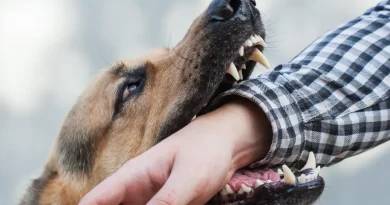
Owning a dog that is classified as dangerous comes with significant responsibilities. The rules differ by federal state, but typically include obligations for both the dog itself and the owner.
Personal Requirements for the Owner
- Age: The owner must be at least 18 years old.
- Certificate of good conduct: Local authorities usually require a clean criminal record. Convictions for offenses such as assault, violations of animal welfare, or weapons laws can lead to the assumption that the person is not reliable enough to keep a dangerous dog.
- Proof of expertise (Sachkundenachweis): Owners may need to pass a theoretical and practical exam demonstrating sufficient knowledge of dog behavior, handling, and responsible care. In Lower Saxony, this applies generally to dog owners. In Bremen, it applies to new owners from July 2026.
- Suitability check: In some cases, authorities review the owner’s overall suitability, including living conditions and family environment.
Obligations for the Dog and its Keeping
- Liability insurance: Dog liability insurance with a minimum coverage amount is compulsory for listed or dangerous dogs in most federal states. It is also mandatory for all dogs in Berlin, Bremen, Hamburg, Lower Saxony, Saxony-Anhalt and Thuringia. Baden-Württemberg, Bavaria and Mecklenburg-Western Pomerania have no statutory requirement even for dangerous dogs, although Baden-Württemberg usually and Bavaria optionally make the permit for a listed dog conditional on proof of insurance; coverage remains highly recommended.
- Mandatory identification: The dog must usually be microchipped for clear identification. Some states also require registration in a central dog register.
- Neutering requirements: In some federal states, castration or sterilization may be required to prevent uncontrolled breeding.
- Official authorization: Keeping a listed dog requires a permit from the local authorities in many states. Without it, ownership may be illegal. Authorities may also require other certificates, such as proof of sterilization or additional training records.
- Leash and muzzle obligations: In public spaces, especially near children’s playgrounds or in contact with other dogs, strict rules apply. Leashes must often not exceed a set length.
Failure to comply with these regulations can result in heavy fines or even the confiscation of the dog. From my expert perspective, this shows that owning a listed breed in Germany is not only a matter of affection but also of legal responsibility. Expats in particular should carefully study the rules in their federal state before acquiring such a dog.
Dog Liability Insurance for Dangerous Breeds
For dogs that are officially classified as dangerous, liability insurance is mandatory in most German federal states. This usually applies to the 4 nationwide listed breeds and, depending on the federal state, to additional dangerous breeds or large dogs above a certain shoulder height. However, Baden-Württemberg, Bavaria and Mecklenburg-Western Pomerania are important exceptions because they do not legally mandate liability insurance even for dogs officially classified as dangerous; in Baden-Württemberg and Bavaria, the permit for a listed dog is usually or can be made conditional on it (§ 3 PolVOgH, Art. 37 LStVG).
The reasoning is simple: dog attacks involving strong breeds can cause severe personal injury and high financial losses. Without coverage, owners would be unable to bear such risks.
Typical Coverage and Exclusions
Policies cover personal injury, property damage, and financial losses caused by the dog. This includes medical costs, legal defense, and, in some cases, rental damage.
However, not every insurer is willing to cover dangerous breeds. Some exclude purebred listed dogs entirely, while others require proof of a successful character test certificate. Coverage for mixed breeds is often possible, but conditions differ by insurer.
Costs and Special Conditions
Premiums for dogs considered dangerous are generally higher than those for other breeds. While standard liability for family pets starts at under €4 per month with the providers featured here (as of October 2026), insuring a listed dog can be significantly pricier, especially if authorities demand a higher minimum coverage limit. In my experience, responsible owners should always choose the maximum sum insured, as claims from serious accidents can quickly exceed standard amounts.
From an expert perspective, dog liability insurance is not just a legal requirement in many states but a vital safeguard for owners of strong or considered dangerous breeds. It ensures that, in the event of an incident, the financial burden does not ruin the owner’s life while still protecting potential victims.
Practical Advice for Expats
Expats considering a move to Germany with a strong or listed breed should prepare carefully. Each federal state has its regulations, and local authorities are the first point of contact for permits and registration. Before adopting or importing a dog, always check whether it is classified as dangerous in your state. Just to let you know, even if your dog is accepted elsewhere, rules may change when you move across state lines.
From experience, the biggest hurdles for expats are rental agreements and local restrictions. Many landlords will generally only allow dogs if liability insurance is in place. So, it’s essential to keep proof of your policy readily available.
If your dog belongs to a sensitive category, expect stricter checks, such as a character test certificate or a higher dog tax. These requirements are manageable if you plan early and stay in contact with the authorities.
Expats adopting through dog transfer programs or bringing rescue animals from abroad should always check whether their breed is classified as dangerous.
For registration, permits, and dangerous-dog classifications, expats should use the official state or municipal portal for their place of residence. Useful starting points include the Bremen dog law portal, the German Customs dangerous dog import rules, the Lower Saxony dog register information, and the Thuringia state law portal. For city-level registration, search your local Ordnungsamt or Bürgeramt website.
Top Providers for Expats in Germany
For expats in Germany, digital providers are particularly useful because they combine clear English support with simple online management. 2 providers stand out, and neither is the insurer itself: Getsafe is a licensed intermediary whose pet policies have been underwritten by andsafe AG since the company gave up its own insurer licence in October 2025, and Feather is a licensed insurance agent whose risk carrier is named in the policy terms.
Getsafe
Digital-first, with contracts and claims managed entirely in English via app. Covers all breeds, including officially listed dogs, and offers sums insured up to €50 million.
Feather
Focused on expats with clear English-language support. Provides up to €20 million worldwide coverage; excluding purebred dangerous dogs listed nationwide or in federal states; mixed breeds are eligible.
Conclusion
In Germany, dangerous dog breeds are subject to strict regulations, including import bans and leash and muzzle laws. While rules vary between federal states, one point is clear: owners of listed or large breeds must check their local legal requirements before moving, adopting, or importing a dog. In many states, this includes mandatory dog insurance, while some states also require general liability insurance, microchip registration, or a Hundeführerschein for all dogs. For expats, this can feel complex, but with careful preparation, the right policy, and early contact with local authorities, it is possible to keep dogs responsibly and in line with German law.
Frequently Asked Questions — FAQ
The nationwide list includes Pit Bull Terriers, American Staffordshire Terriers, Staffordshire Bull Terriers, and Bull Terriers. These breeds are consistently classified as dangerous throughout Germany.
Yes, but only under strict conditions. You will typically need to obtain a permit from the local authorities, a character test certificate for your dog, and proof of liability insurance. Without these, ownership is not allowed.
In most federal states, yes: for nationwide listed dogs and other breeds defined as dangerous by the states, liability insurance is mandatory. Baden-Württemberg, Bavaria and Mecklenburg-Western Pomerania have no statutory requirement, although Baden-Württemberg usually and Bavaria optionally make the permit for a listed dog conditional on proof of insurance. This protects both the public and the owner from the financial consequences of potential incidents.
Premiums are higher than for non-listed breeds. Insuring a listed breed may be significantly more expensive than a standard policy, depending on the insurer and coverage limits.
Yes. Crosses that include any of the nationwide listed dogs are treated the same as purebred animals. For other mixed breeds, rules depend on state regulations and whether the dog is considered dangerous after a character test.
Each federal state has its own regulations. The safest way is to contact your local authority (Ordnungsamt or veterinary office) directly. They can confirm whether your dog is classified as dangerous and which documents, permits, or certificates are required.
Footnotes & Sources
- https://www.gesetze-im-internet.de/hundverbreinfg/
- https://verwaltung.bund.de/leistungsverzeichnis/EN/leistung/99110009104001/herausgeber/HE-8967700/region/060000000000
- https://www.zoll.de/EN/Private-individuals/Travel/Entering-Germany/Restrictions/Dangerous-dogs/dangerous-dogs.html
- https://service.berlin.de/dienstleistung/326263/
- https://im.baden-wuerttemberg.de/de/sicherheit/polizei/praevention/kampfhundeverordnung
- https://www.wiesbaden.de/en/vv/produkte/31/Erlaubnis-Haltung-gefaehrlicher-Hund
- https://www.schleswig-holstein.de/DE/fachinhalte/T/tierschutz/Hunde/_documents/hundehaltung_privat